
Why plant-based?

Better for other people.

Plant-based choices do not just help animals, you and the planet. They can also make a difference to other people: those who need food, those who live near polluting industries and those who work in difficult conditions.

People sharing a plant-based meal

Hunger.

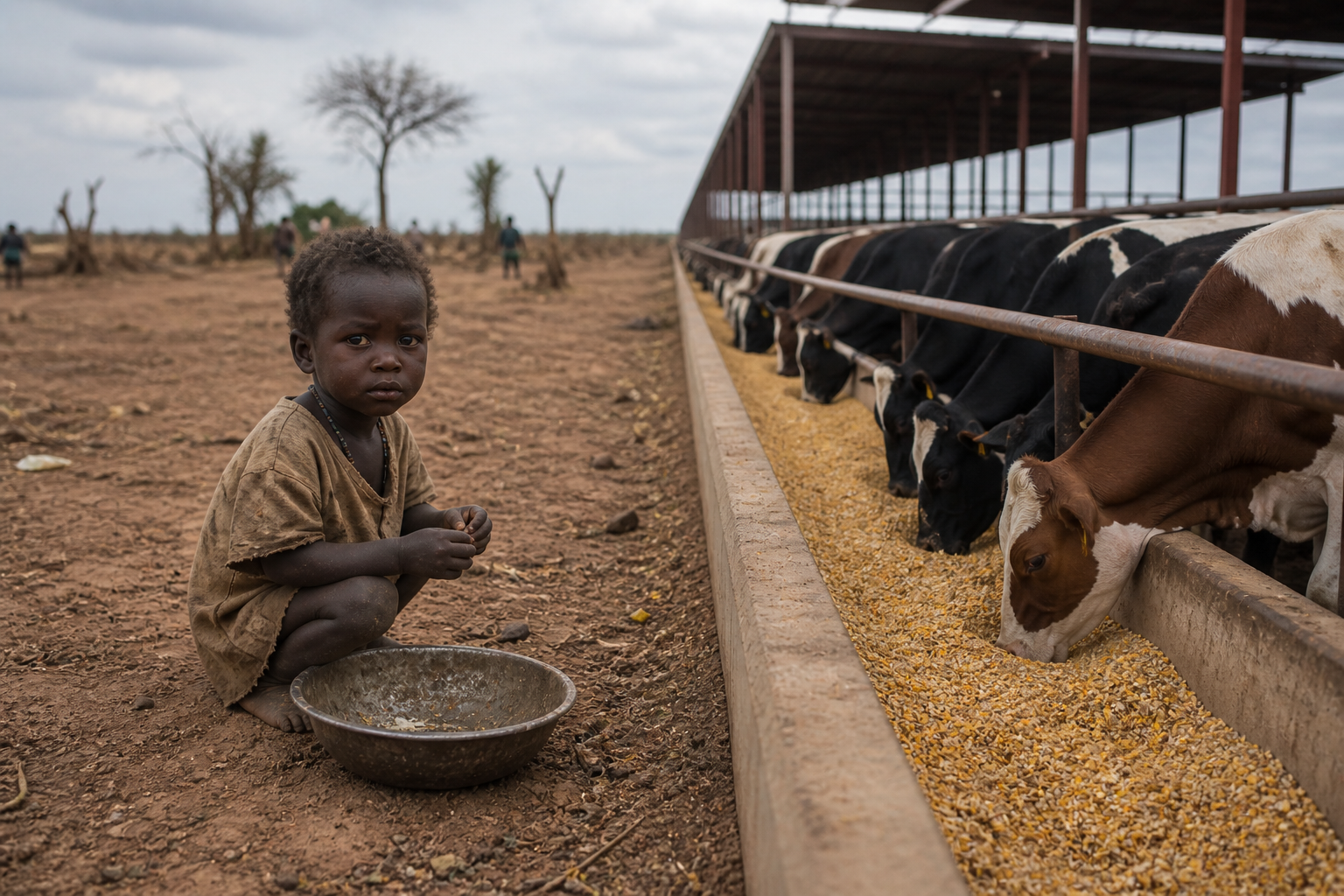
Image about food shortages and plant-based food

A large share of the crops we grow is used by the animal agriculture industry. Those crops could feed many more people directly. Yet around 750 million people worldwide still face hunger.

  • The billions of animals in animal agriculture are fed every day…
  • Animals use that food to live, move and grow.
  • No one in the world should die from hunger.
Reason 1: By choosing plant-based, you help create a world in which fewer people have to go hungry.

Nearby residents.

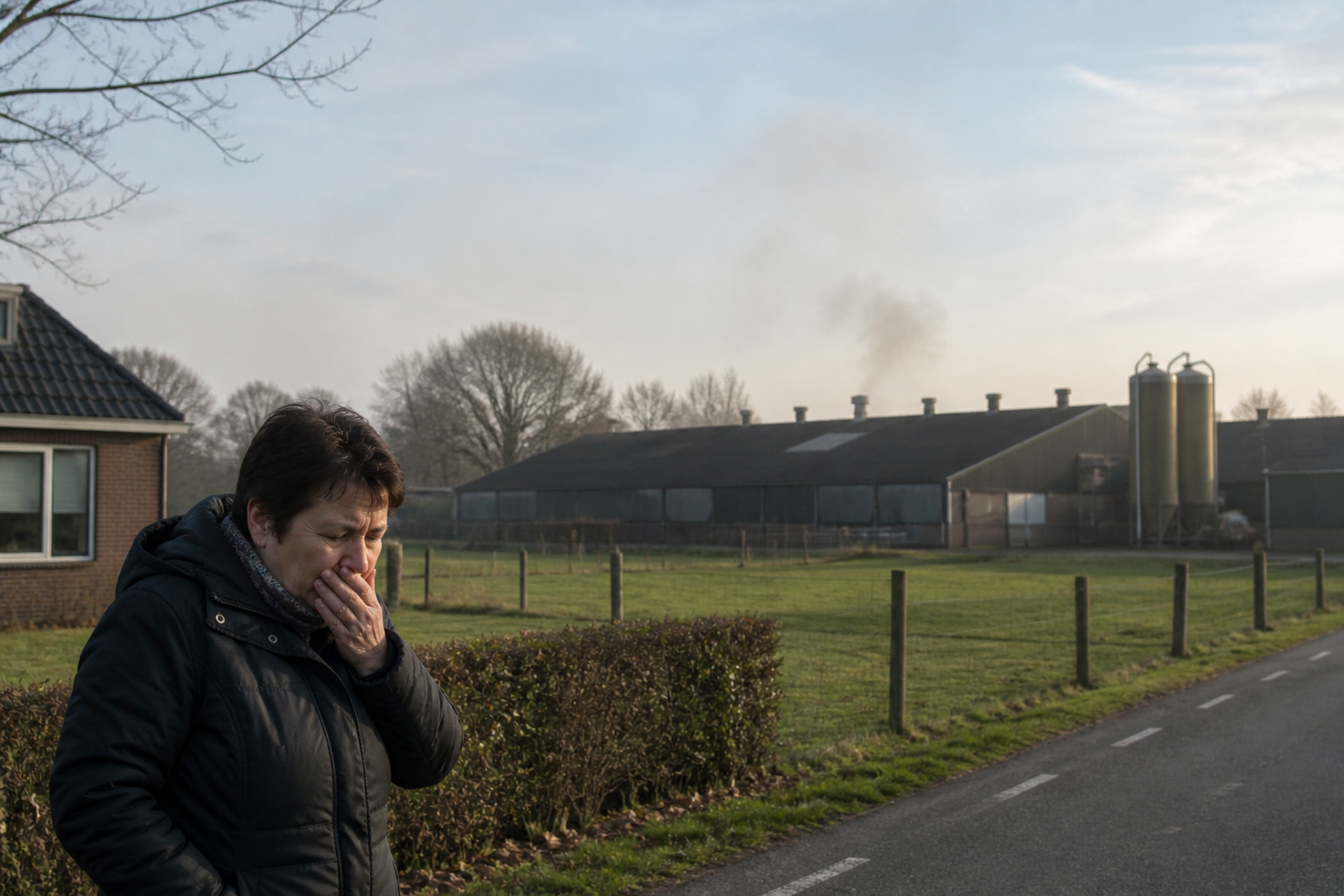
Image about nearby residents and cleaner air

Animal agriculture releases substances such as ammonia and methane. Dust, manure and bacteria can also affect the immediate living environment.

  • People living nearby may experience respiratory problems.
  • Harmful emissions can pollute the local environment.
  • Less animal agriculture means a healthier living environment.
Reason 2: By choosing plant-based, you help create a healthier living environment for others.

Workers.

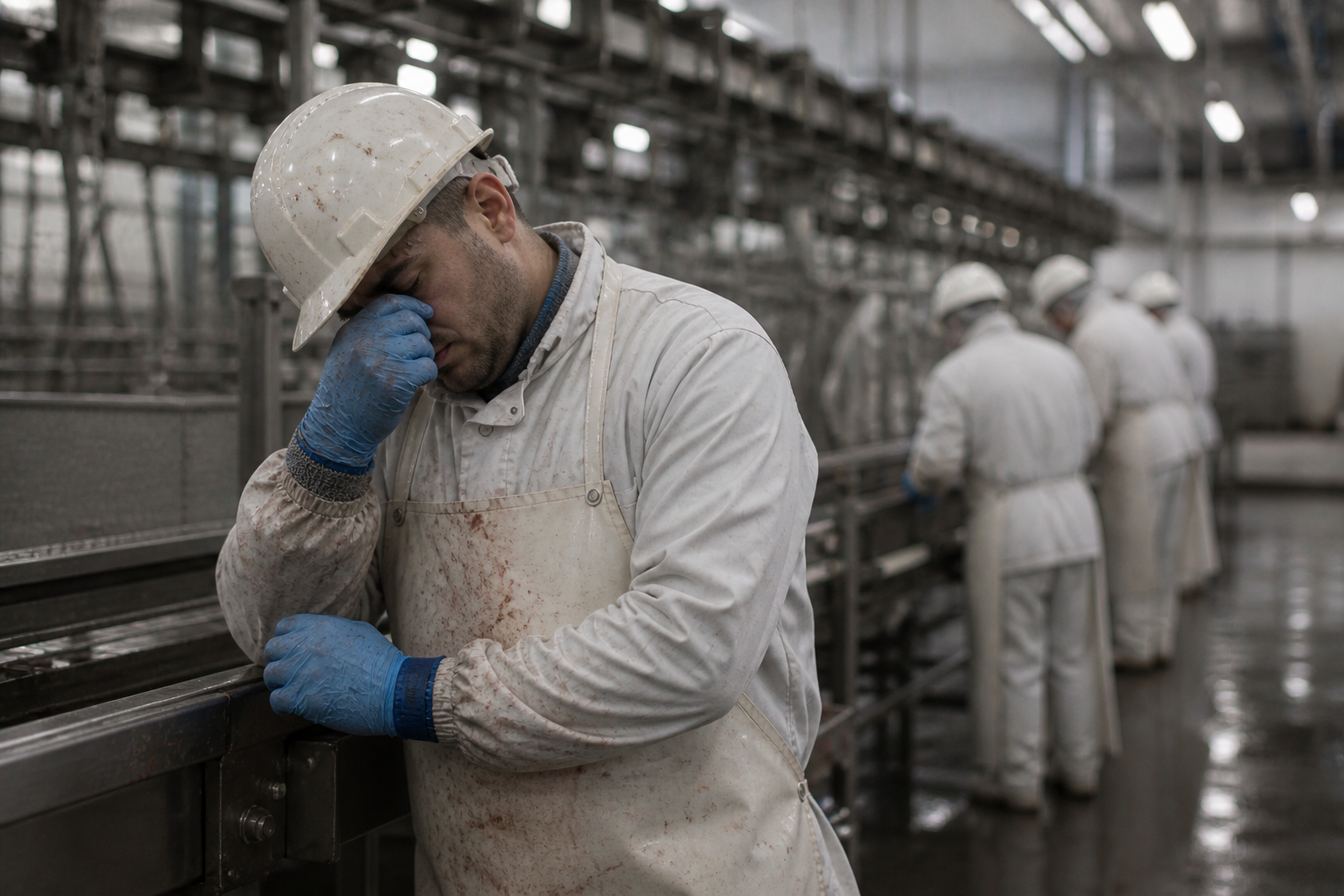
Image about workers and safer working conditions

Much of the work in animal agriculture is physically demanding, dangerous or mentally distressing. This includes work in slaughterhouses, tanneries and parts of the global fishing industry.

  • Slaughterhouse work can be mentally distressing because workers kill animals every day.
  • Tanneries use toxic substances that can cause illness and injuries.
  • Forced labour, illegal fishing and poor working conditions occur in the fishing industry.
Reason 3: Choosing plant-based helps reduce demand for harmful and demanding work in animal agriculture.

Choose more kindly.

Every plant-based meal is a small choice with a wide-reaching impact: less animal suffering, benefits for your own health, greater care for the planet and more consideration for people you may never directly see.

Get started
Sources

Hunger

  1. Shepon, A., Eshel, G., Noor, E., & Milo, R. (2018). The opportunity cost of animal based diets exceeds all food losses. Proceedings of the National Academy of Sciences, 115(15), 3804–3809.
  2. Cassidy, E. S., West, P. C., Gerber, J. S., & Foley, J. A. (2013). Redefining agricultural yields: from tonnes to people nourished per hectare. Environmental Research Letters, 8(3), 034015.
  3. FAO, IFAD, UNICEF, WFP, & WHO. (2021). The State of Food Security and Nutrition in the World 2021: Transforming food systems for food security, improved nutrition and affordable healthy diets for all. FAO.
  4. World Health Organization. (2024). Hunger numbers stubbornly high for three consecutive years as global crises deepen: UN report.
  5. Oppenlander, R. A. Publications and lectures on food distribution, hunger and the use of crops as animal feed within animal agriculture.
  6. YouTube video: https://www.youtube.com/watch?v=iPJ-648Oudk

Nearby residents

  1. Borlée, F., et al. (2017). Air pollution from livestock farms is associated with airway obstruction in neighboring residents.
  2. Balasubramanian, S., et al. (2021). The food we eat, the air we breathe: a review of the fine particulate matter-induced air quality health impacts of the global food system.
  3. European Environment Agency. (2022). Sources and emissions of air pollutants in Europe.
  4. Statistics Netherlands. (2021). Nitrogen emissions to air.
  5. Health Council of the Netherlands. (2025). Advice on health risks around livestock farms 2025: part 2.
  6. National Institute for Public Health and the Environment. (accessed 15-02-2025). Livestock farming and the health of nearby residents.
  7. NOS. Municipalities in Gelderland ignore advice: new construction near goat farms goes ahead. https://nos.nl/artikel/2604031-gelderse-gemeenten-negeren-adviezen-toch-nieuwbouw-bij-geitenhouderijen
  8. NOS. Parliament backs minimum distance between new housing and goats, urges government to act quickly. https://nos.nl/artikel/2598201-kamer-voor-afstand-tussen-nieuwbouw-en-geiten-vraagt-kabinet-vaart-te-maken
  9. NOS. New study: people living near goat farms do indeed develop pneumonia more often. https://nos.nl/artikel/2593622-nieuw-onderzoek-omwonende-geitenstal-krijgt-inderdaad-vaker-longontsteking
  10. Domingo, N. G. G., et al. (2021). Air quality-related health damages of food.

Workers

  1. Slade, J., et al. (2021). The Psychological Impact of Slaughterhouse Employment: A Systematic Literature Review.
  2. Aleksandrowicz, L., et al. (2016). The impacts of dietary change on greenhouse gas emissions, land use, water use, and health: a systematic review.
  3. Human Rights Watch. (2021). Toxic Tanneries. The health repercussions of Bangladesh's Hazaribagh leather.
  4. Rastogie, S. K., et al. (2007). Occupational cancers in leather tanning industries: A short review.
  5. Bhavya, K. S., et al. (2019). Leather Processing, Its Effects on Environment and Alternatives of Chrome Tanning.
  6. McDonald, G. G., et al. (2021). Satellites can reveal global extent of forced labor in the world's fishing fleet.
  7. Selig, E. R., et al. (2022). Revealing global risks of labor abuse and illegal, unreported, and unregulated fishing.
  8. De Correspondent. (2023). China uses forced labour to process the fish eaten around the world.