Why plant-based?

Because injustice goes against our values.

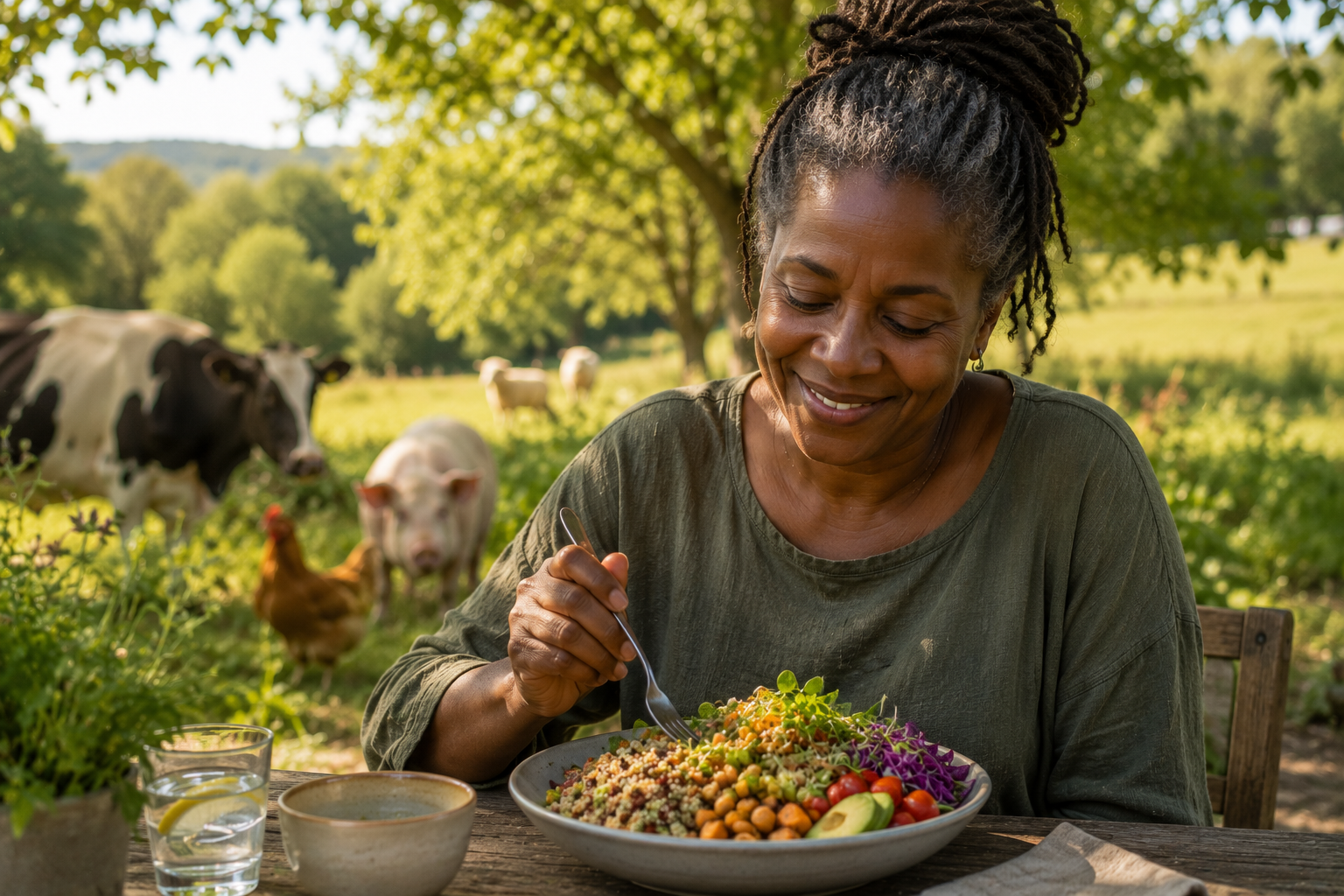
Most people oppose injustice, senseless violence, abuse of power and discrimination. Yet in everyday life, we often cause these things ourselves without realising it — by using animal products. Products we do not need.

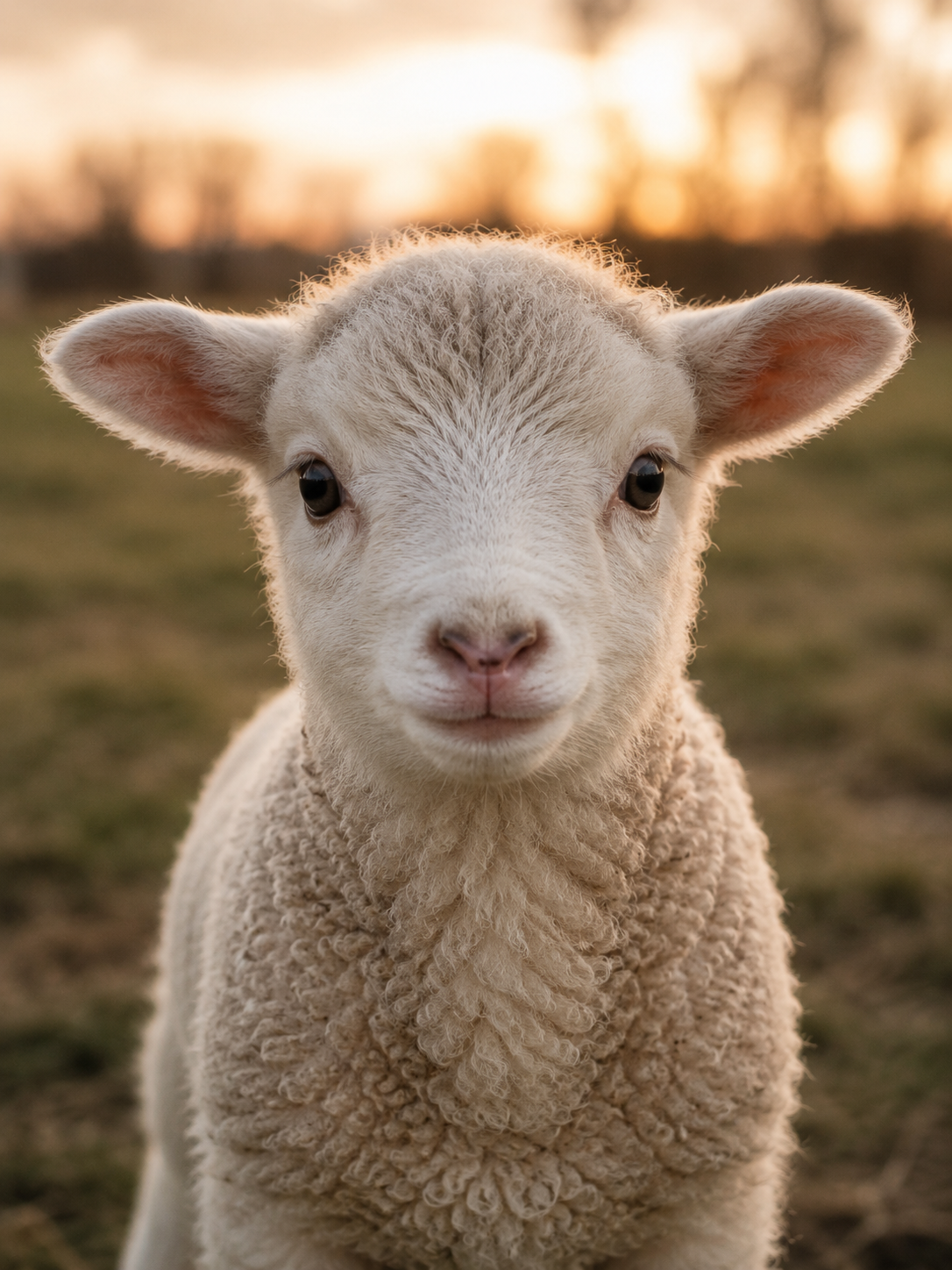
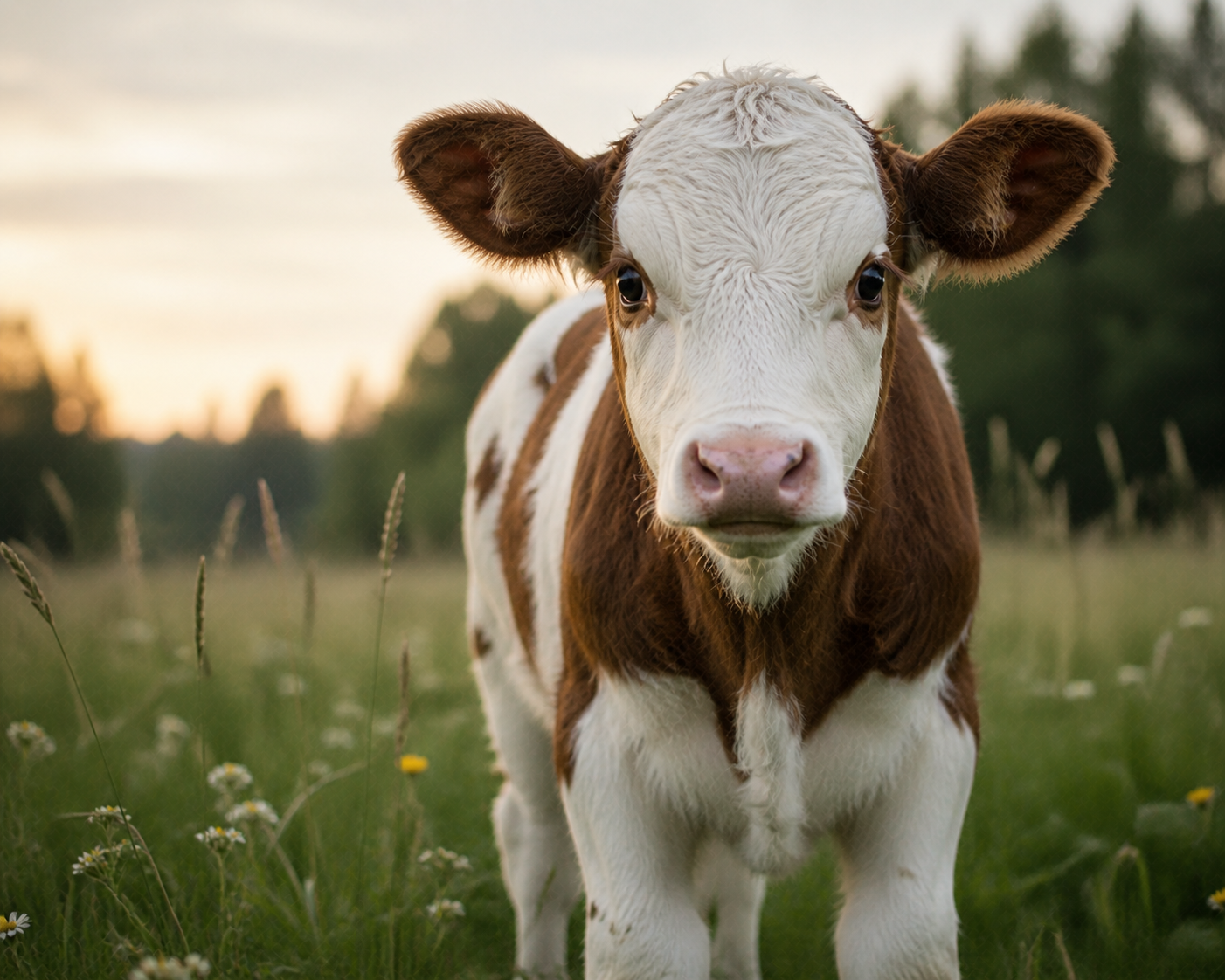
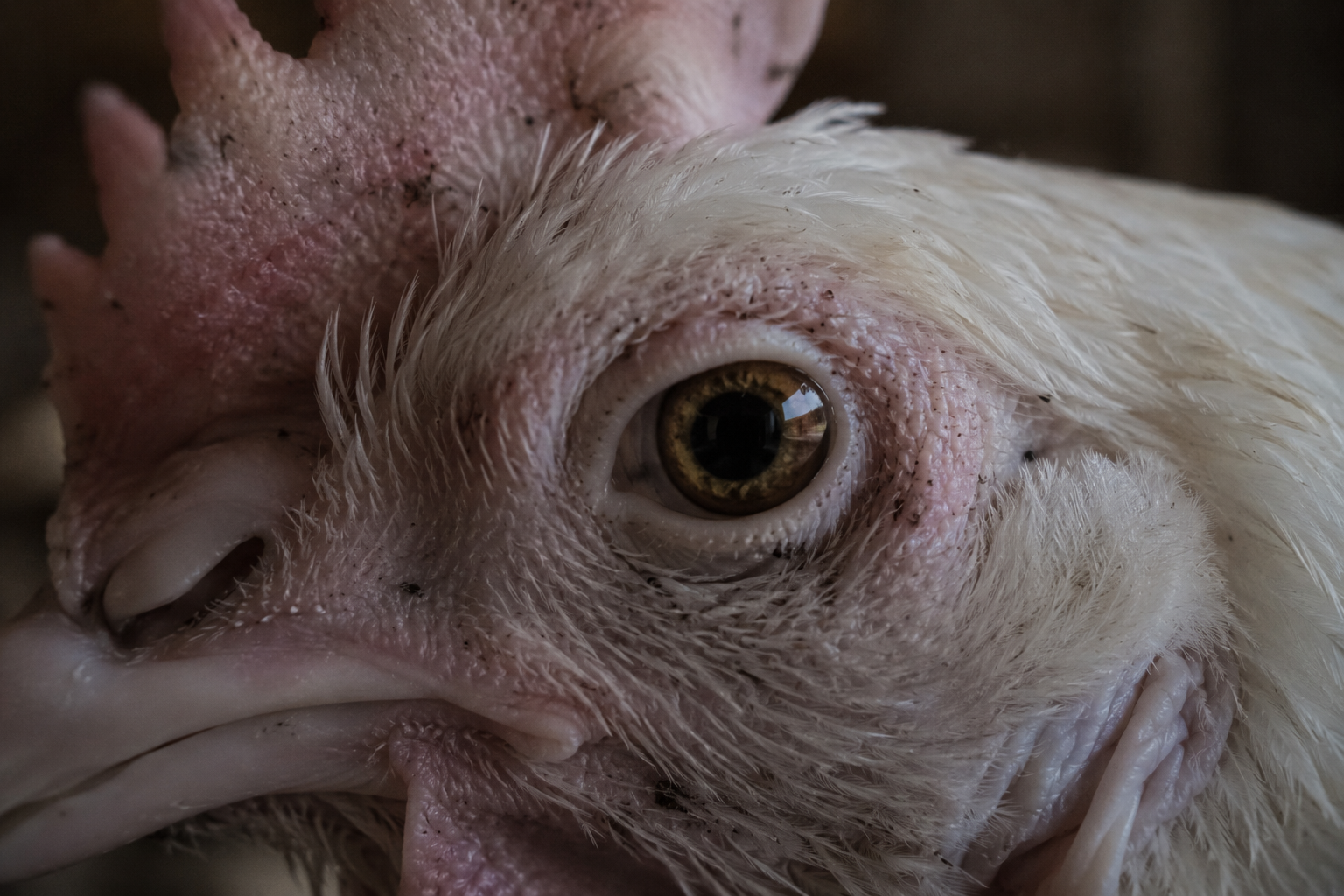
Animal looking calmly at the camera

Questions that deserve an honest answer.

Sometimes change does not begin with more information, but with one honest question: if we oppose injustice, why would we cause it ourselves?

Image illustrating the question of injustice
1

Are you against injustice?

If so, does it make sense to cause it ourselves?
What have animals done to us?

It is unfair that animals have to suffer for products we do not need. We may like the taste or appearance of those products, or choosing an alternative may take a little more effort. But we do not need them.

Animal suffering is one of the forms of injustice we can personally help to stop.

Reason 1: If we oppose injustice, we should not cause it.
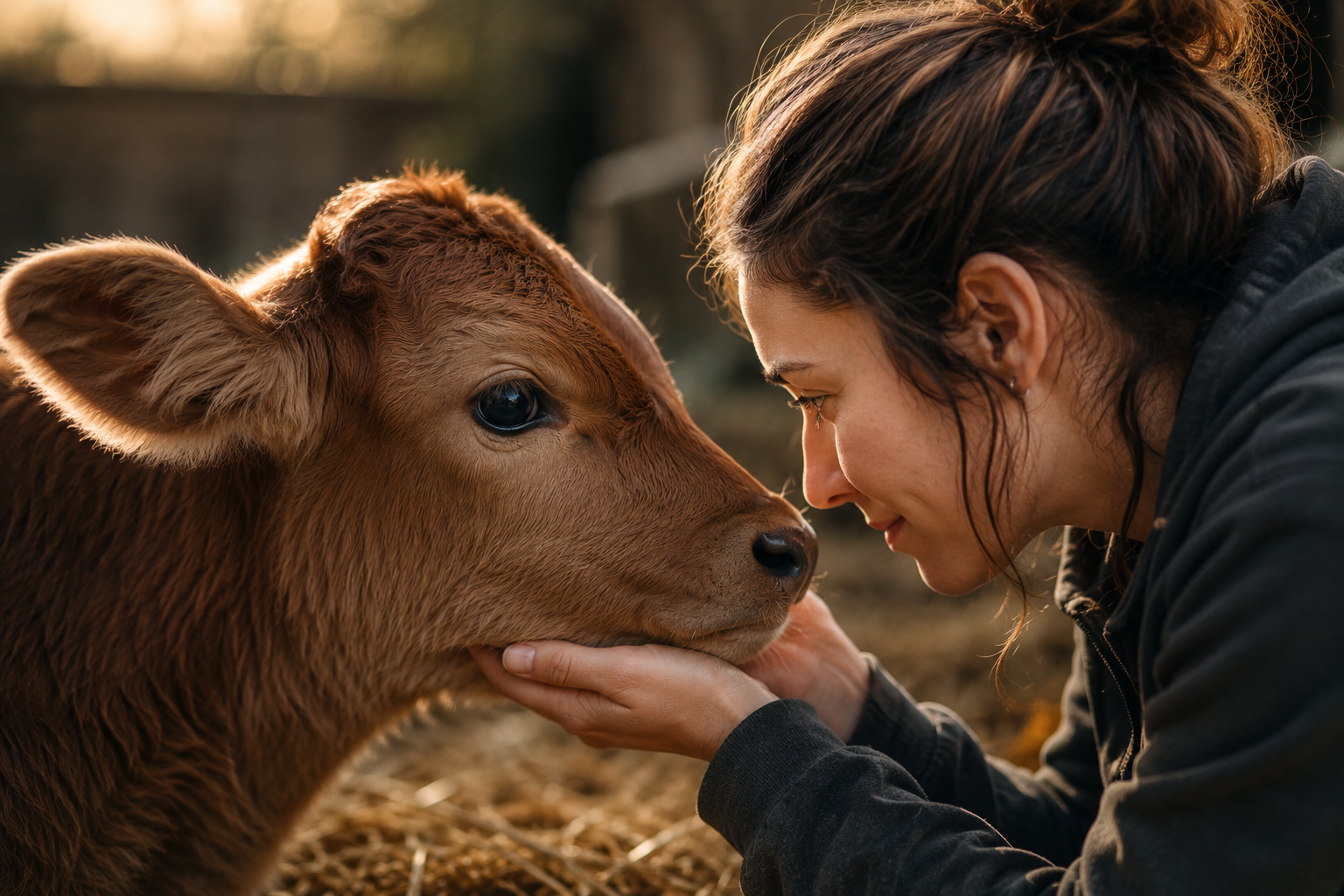
Image illustrating the question of how we treat others
2

How do you want to treat others?

Do you believe in the Golden Rule?
What if you were in their position?

The Golden Rule says that we should treat others as we would want to be treated.

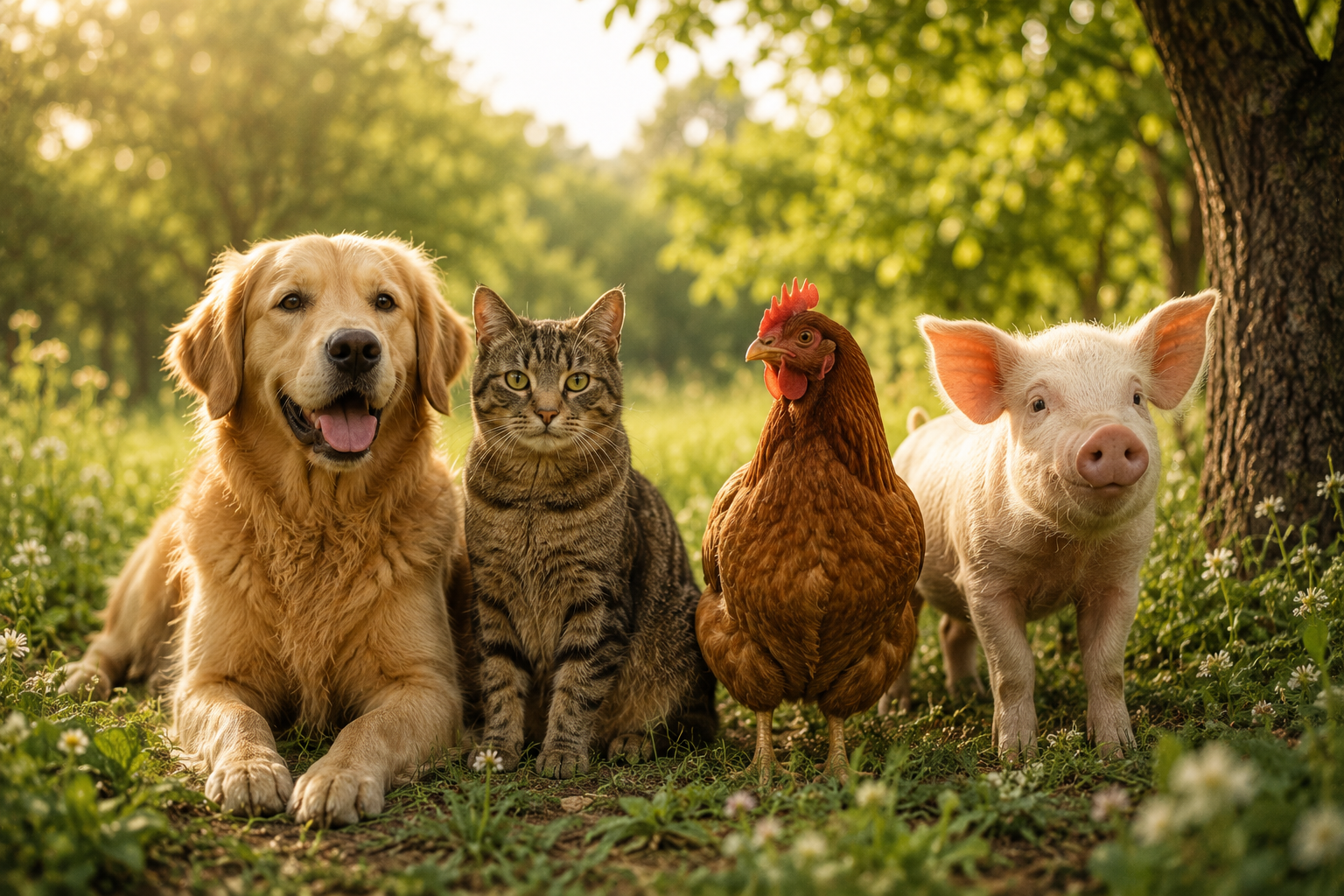
Animals are “others” too. They are individuals with emotions, personalities and a will to live. Their lives matter to them just as much as ours matter to us.

Reason 2: We should treat others as we would want to be treated.
Image illustrating the question of innocent animals
3

Are animals innocent?

They have done nothing to us.
Why should we use our power against them?

The animals we use for animal products have done nothing to us. Yet they become victims of our choices when we buy animal products.

Their lives and their suffering matter more than our convenience or habits. Don’t you think?

Reason 3: Animals have done nothing to us.
Image illustrating the question of senseless violence
4

Are you against senseless violence?

Animal products are unnecessary.
Why should we cause violence that is not necessary?

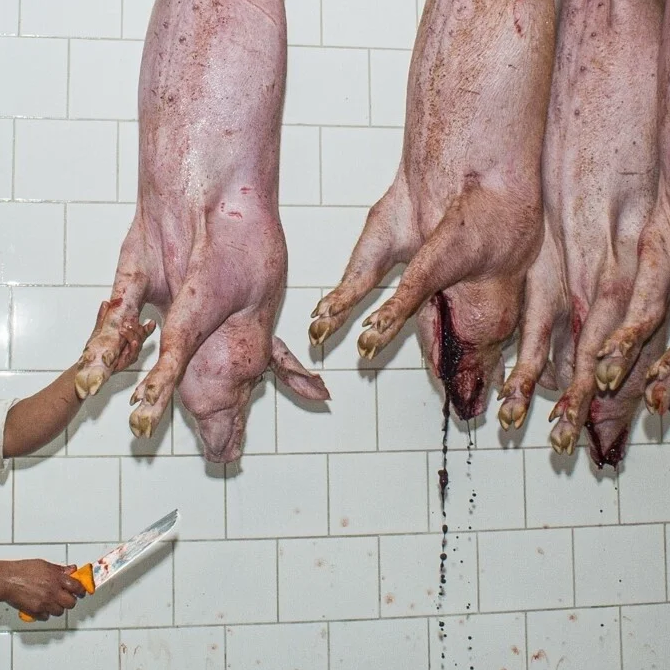
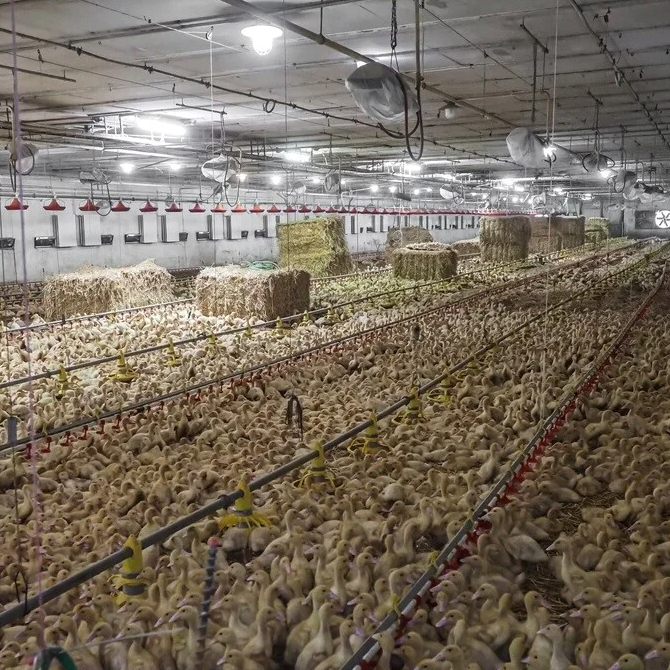
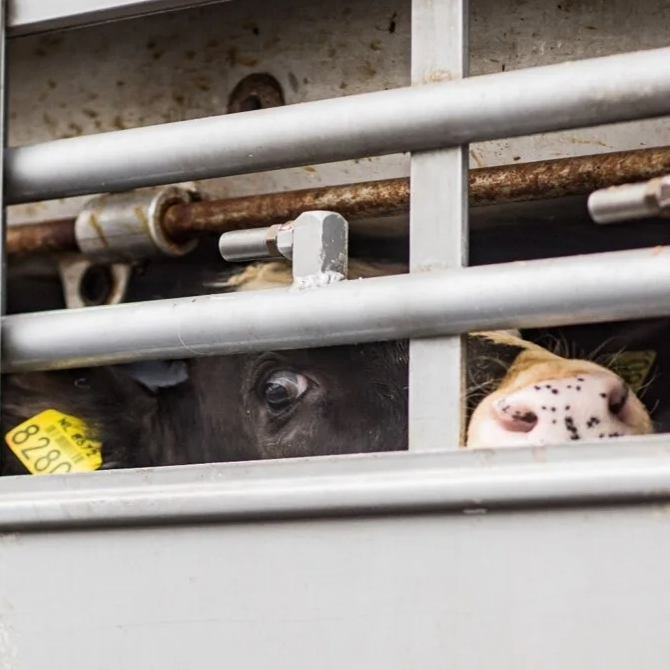
Buying animal products leads to violence against animals. They are bred, confined, used and ultimately killed.

We do not need animal products to live healthy lives. Yet we still buy them. By doing so, we contribute to violence against animals that is not necessary.

Reason 4: We should not cause senseless violence.
Image illustrating the scale of animal suffering
5

Is there a greater injustice?

Every year, we kill around 88 billion land animals.
Every year, an estimated 1.6 trillion fish are killed.

The scale of this injustice is almost impossible to comprehend. It involves billions of animals. Billions of individuals.

In the future, people will look back in horror at what we do to animals today. Make sure you are on the right side of history.

Reason 5: We should act against animal suffering precisely because it happens on such an enormous scale.

This has to stop.

The number of animals we kill is almost impossible for our brains to comprehend. Every single one is an individual — a living being with a personality, emotions, a unique experience of the world and a will to live. The counter below shows how many animals have been killed since you opened this page.

Land animals
0
Fish
0

The land-animal counter is an estimate based on the approximately 88 billion land animals killed each year (Our World in Data). The fish counter is based on an estimate of 1.6 trillion fish — 1 trillion equals 1,000 billion — caught in the wild each year (scientific article). Fish killed in aquaculture and victims of bycatch are not even included in these figures.

Image illustrating the question of protecting vulnerable animals
6

Do you want to help those who are vulnerable?

Do you want to protect the vulnerable?
Or exploit their vulnerability?

Vulnerable groups deserve protection, such as children and people who cannot fully protect themselves.

Animals are vulnerable too. We have a responsibility to protect them rather than use them for our own convenience or pleasure.

Reason 6: We should protect vulnerable groups, including animals, rather than exploit them.
Image illustrating the question of discrimination between species
7

Are you against discrimination?

We discriminate on the basis of species.
We love some animals. We mistreat and eat others.

We give our companion animals love and protection. We use other animals for our own interests, and eventually they end up in the slaughterhouse.

We want to teach our children that it is wrong to treat others differently because of, for example, their race or sex. Why, then, should we treat animals differently simply because of their species?

Reason 7: Choosing plant-based shows that we oppose discrimination.
Image illustrating brief pleasure compared with an entire life
8

Did they get to enjoy life?

We briefly enjoy their bodies or what they produce.
For them, it is their entire existence.

We enjoy the taste of a piece of meat for a brief moment. But the animal who suffered for it often had little chance to experience pleasure themselves.

It is unfair to value a brief moment of pleasure more highly than a life filled with suffering.

Reason 8: It is unfair for us to enjoy animal products when the animals themselves had little chance to enjoy their lives.

We can stop this injustice.

Every plant-based choice is a choice against unnecessary animal suffering, exploitation and injustice.

Get started
Sources

Sources supporting that animal products are not necessary

  1. Dietitians Association of Australia. (Accessed 15 February 2025). What is a vegetarian diet?
  2. Mayo Clinic. (2023). Vegetarian diet: How to get the best nutrition.
  3. Heart and Stroke Foundation of Canada. (Accessed 15 February 2025). Vegetarian diets.
  4. Harvard Medical School. (2024). Becoming a vegetarian.
  5. British Dietetic Association. (2021). Vegetarian, vegan and plant-based diet.
  6. British Nutrition Foundation. (Accessed 15 February 2025). Vegetarian and vegan diets.
  7. National Health Service. (2022). The vegan diet.
  8. American Dietetic Association. (2009). Position of the American Dietetic Association: Vegetarian diets. Journal of the American Dietetic Association.
  9. Melina, V., Winston, G., & Levin, S. (2016). Position of the Academy of Nutrition and Dietetics: Vegetarian diets. Journal of the Academy of Nutrition and Dietetics.
  10. Health Council of the Netherlands. (2024). Healthy protein transition.