Learn more

Weโ€™ve been misled.

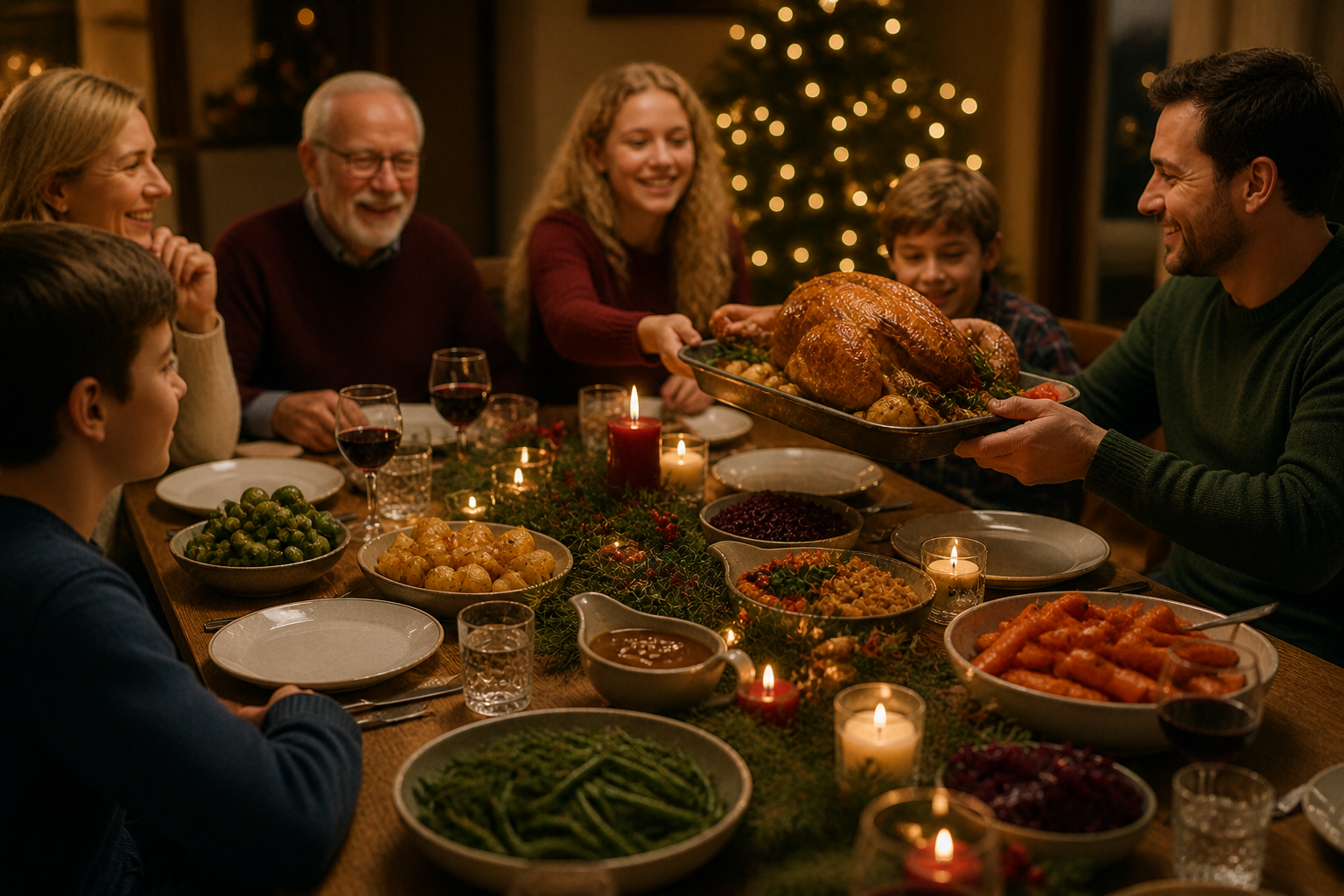
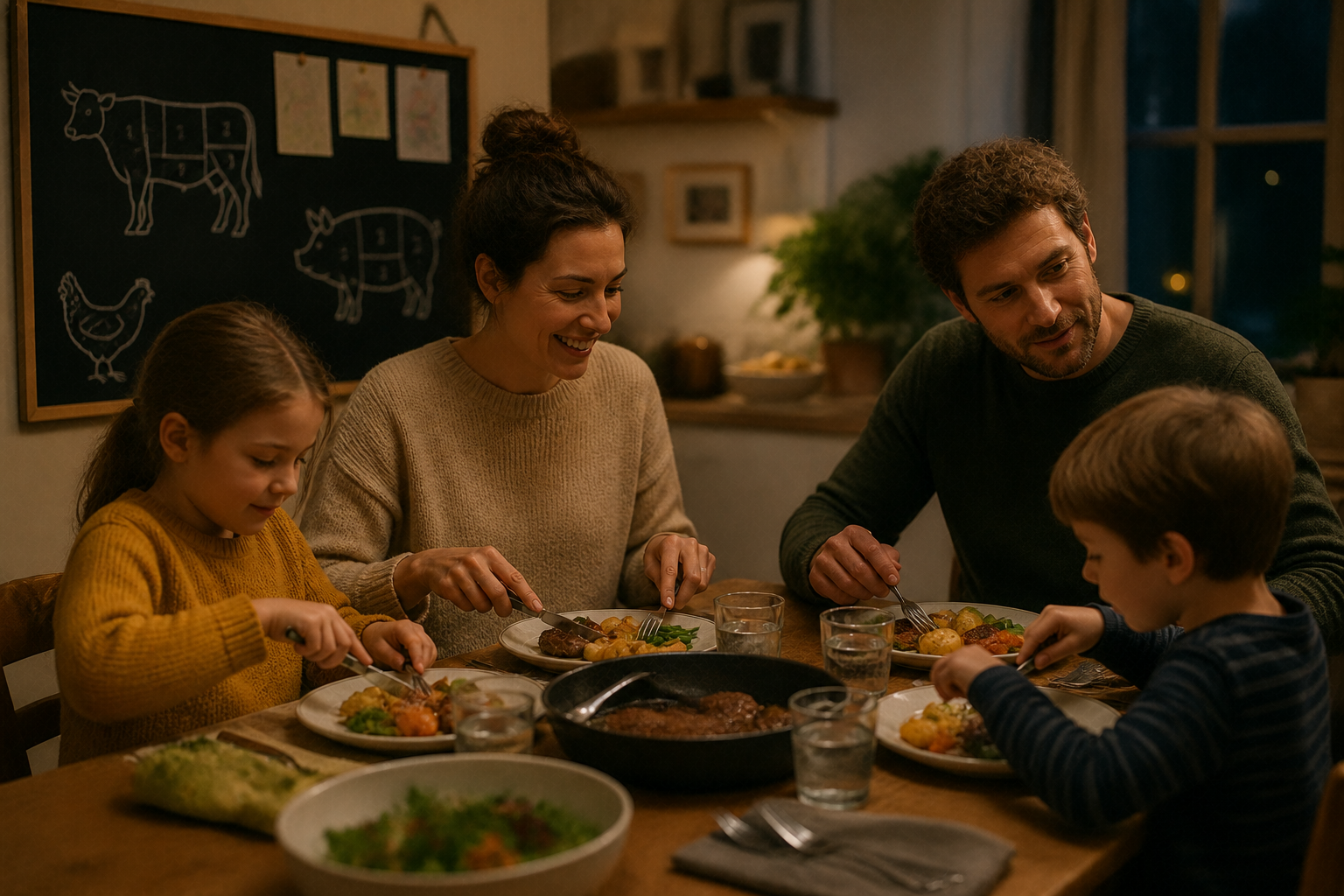
Many people grow up believing that animal products are natural, necessary and normal. But that idea does not arise on its own. It is shaped by culture, advertising, habits and the animal industry.

Image illustrating why using animals has come to be seen as normal

The main reasons.

By understanding why we have been led to believe that animal products are normal, natural and necessary, we can see that this is not entirely our fault. But now that we know better, it is time to change.

Advertising for animal products

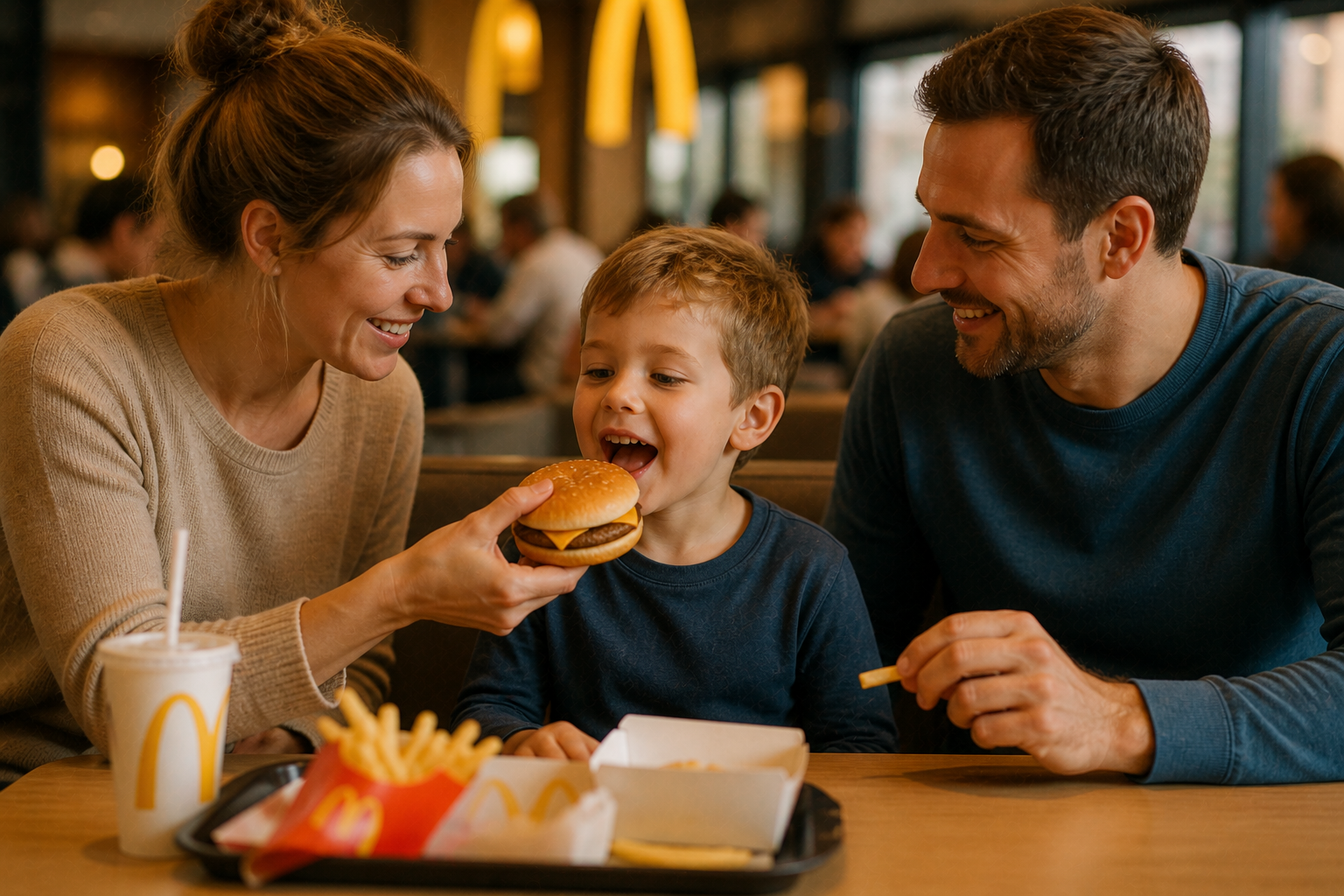
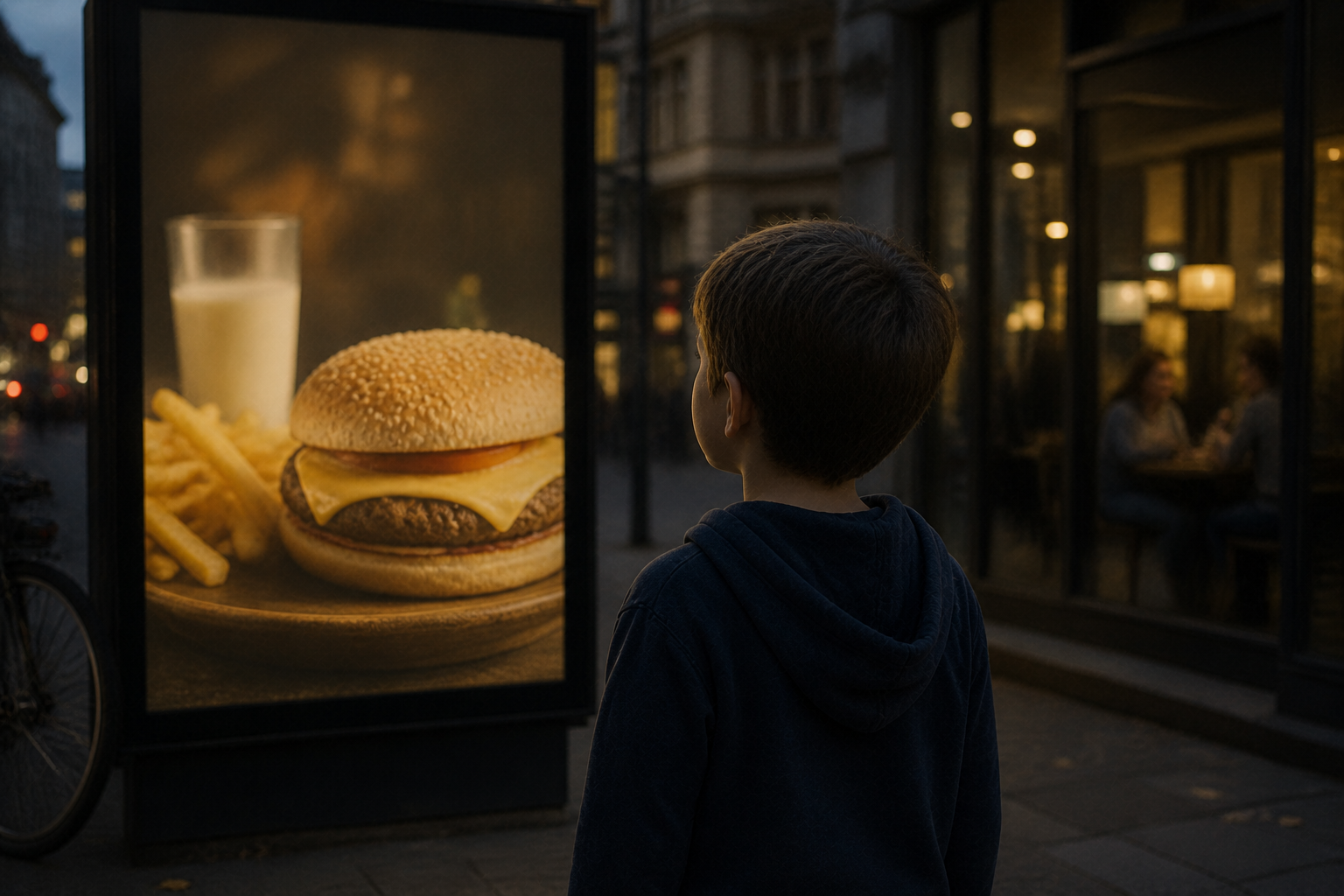
Advertising

We are constantly exposed to advertising for meat, dairy, eggs and fish. This can make these products seem normal and taken for granted. At the same time, advertising presents them as appealing and tempting, encouraging us to keep buying and consuming them.
Habits around consuming animal products

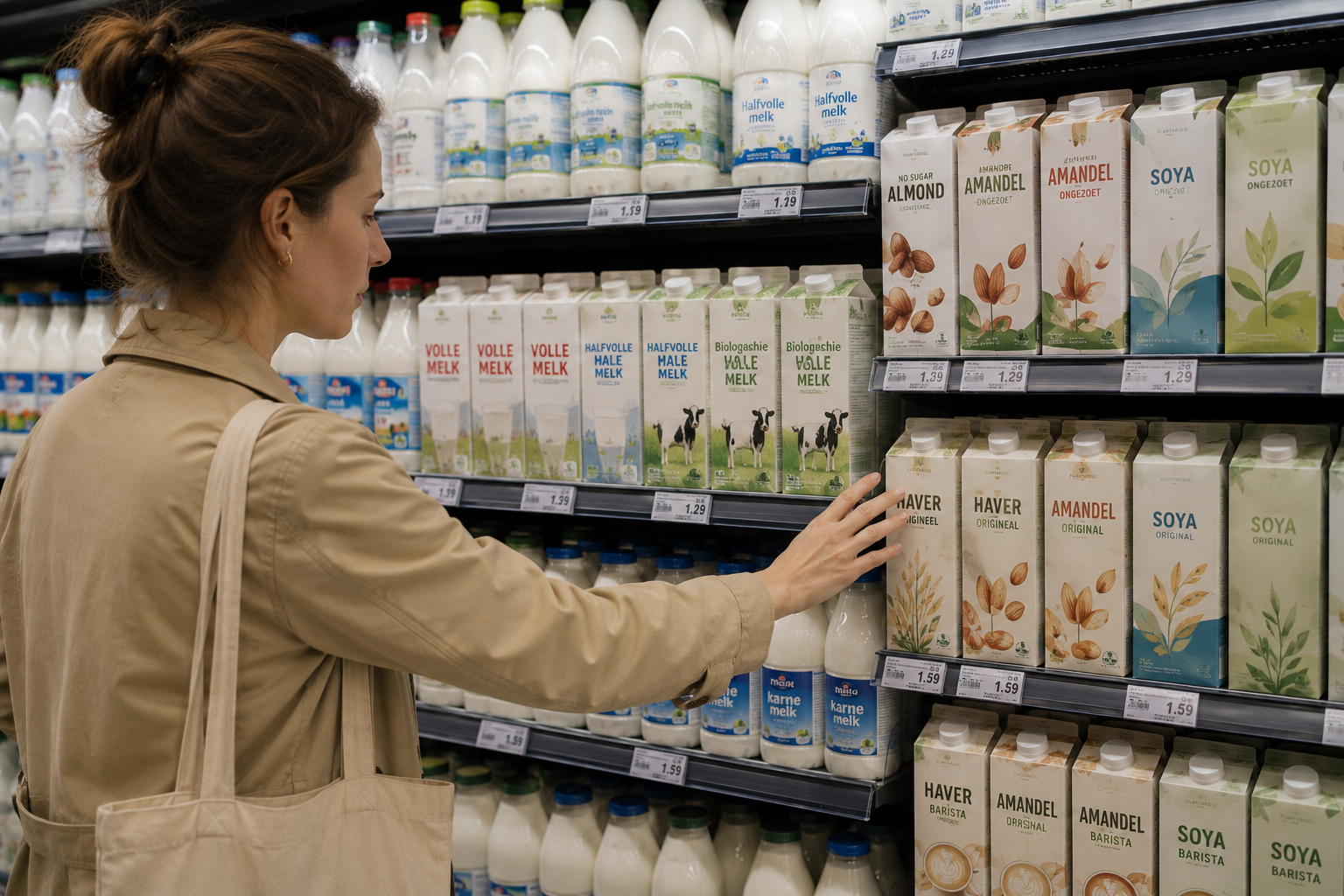
Habit

Many people consume animal products simply because they always have. Habits are comfortable, and changing them takes time and awareness. Fortunately, most people adapt quickly to new habits, such as eating more plant-based foods.

Health claims about animal products

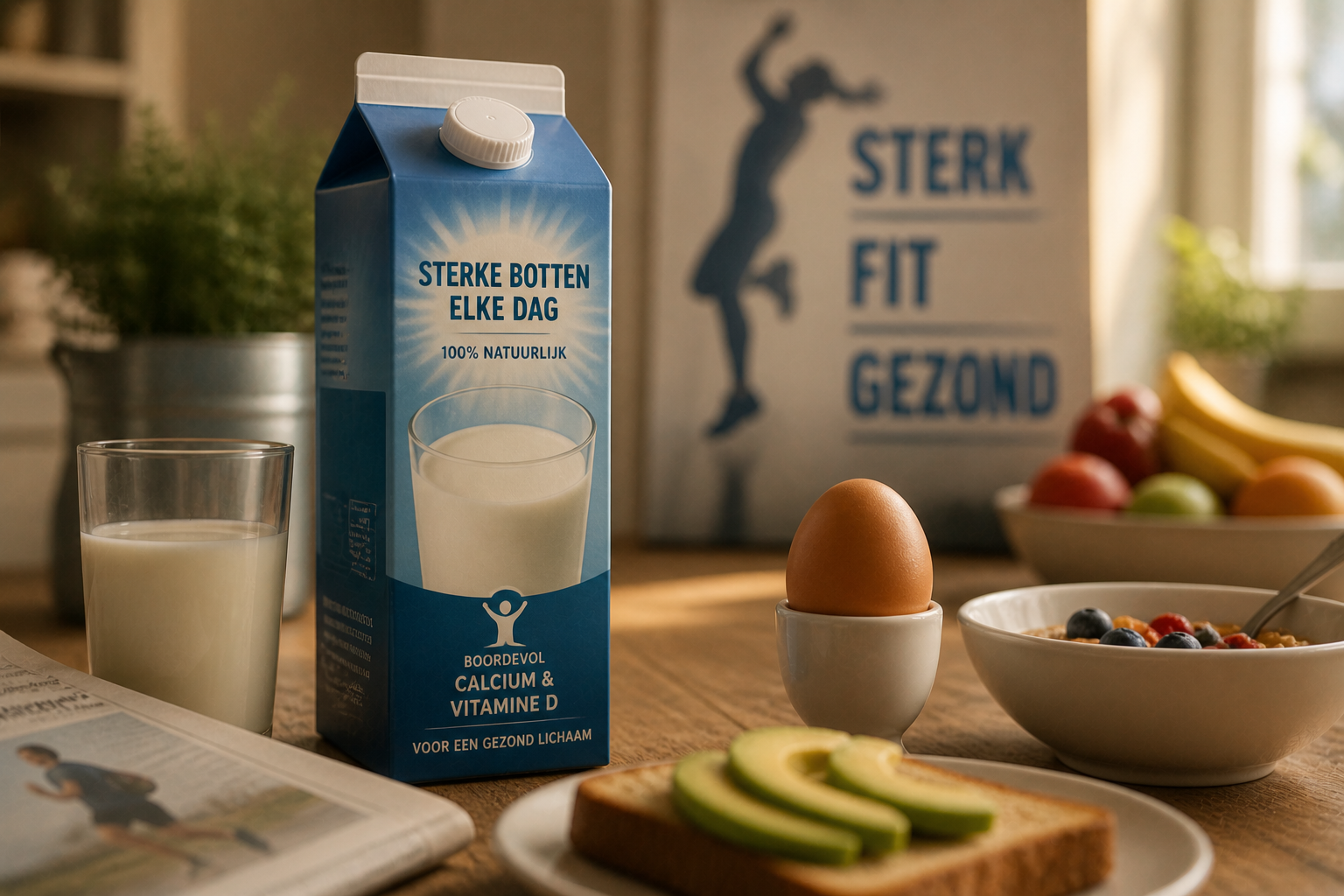
Health claims

In its advertising, the industry often links animal products with health. This can create the impression that we need them, even though we can also live healthily on a well-planned plant-based diet.

Stars and welfare labels on animal-product packaging

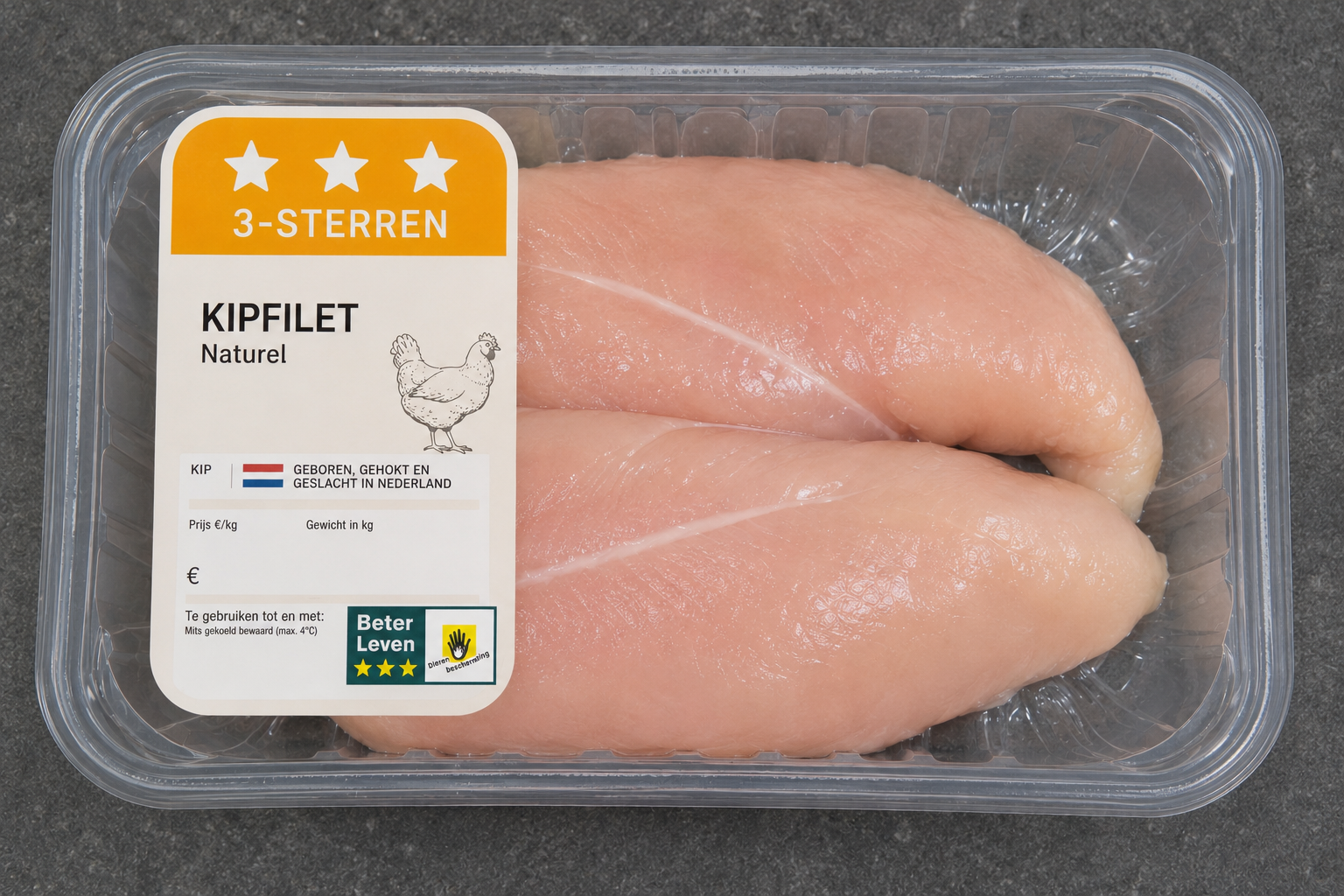
Stars on the packaging

Stars and welfare labels make many people feel that they are making a better choice. Yet even animals whose meat carries three stars in the supermarket often had a miserable life. And they end up in the same slaughterhouse. The stars can give us an unjustified sense that we are doing the right thing.

Learn more
Convenience and default choices involving animal products

Convenience

Animal products are available everywhere and are often the default choice in shops, restaurants and social situations. As a result, many people choose them without consciously thinking about it. Convenience, however, should not be a reason to make animals suffer.

Masculinity and meat consumption

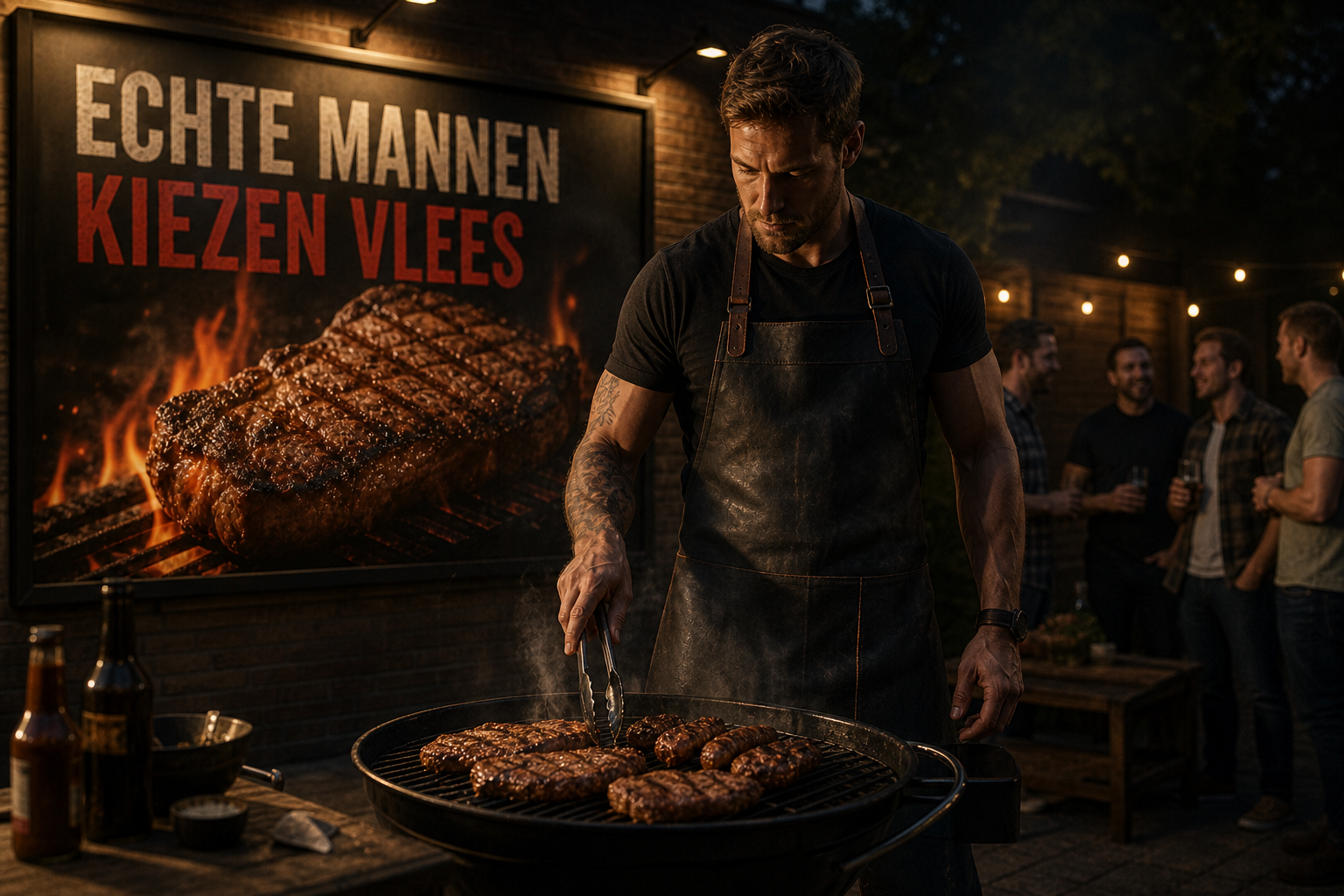
Masculinity

Advertising often portrays meat as masculine and tough. This can create the impression that eating meat is associated with strength. But isnโ€™t real strength found in protecting those who are vulnerable?

Lack of awareness about the production of animal products

Lack of awareness

Many people do not know exactly what happens behind the production of animal products. Pigs, for example, are often gassed before slaughter, while in some parts of the world male chicks are killed shortly after hatching because they are not economically profitable. If more people knew about this, many would probably make different choices.

Culture and traditional dishes containing animal products

Culture

Animal products are often intertwined with traditions and culture. But traditions are constantly changing. Slavery, female genital mutilation and the killing of dolphins are or were also part of certain cultures. The fact that something is traditional does not automatically make it right.

The hidden reality behind animal products

Hiding the truth

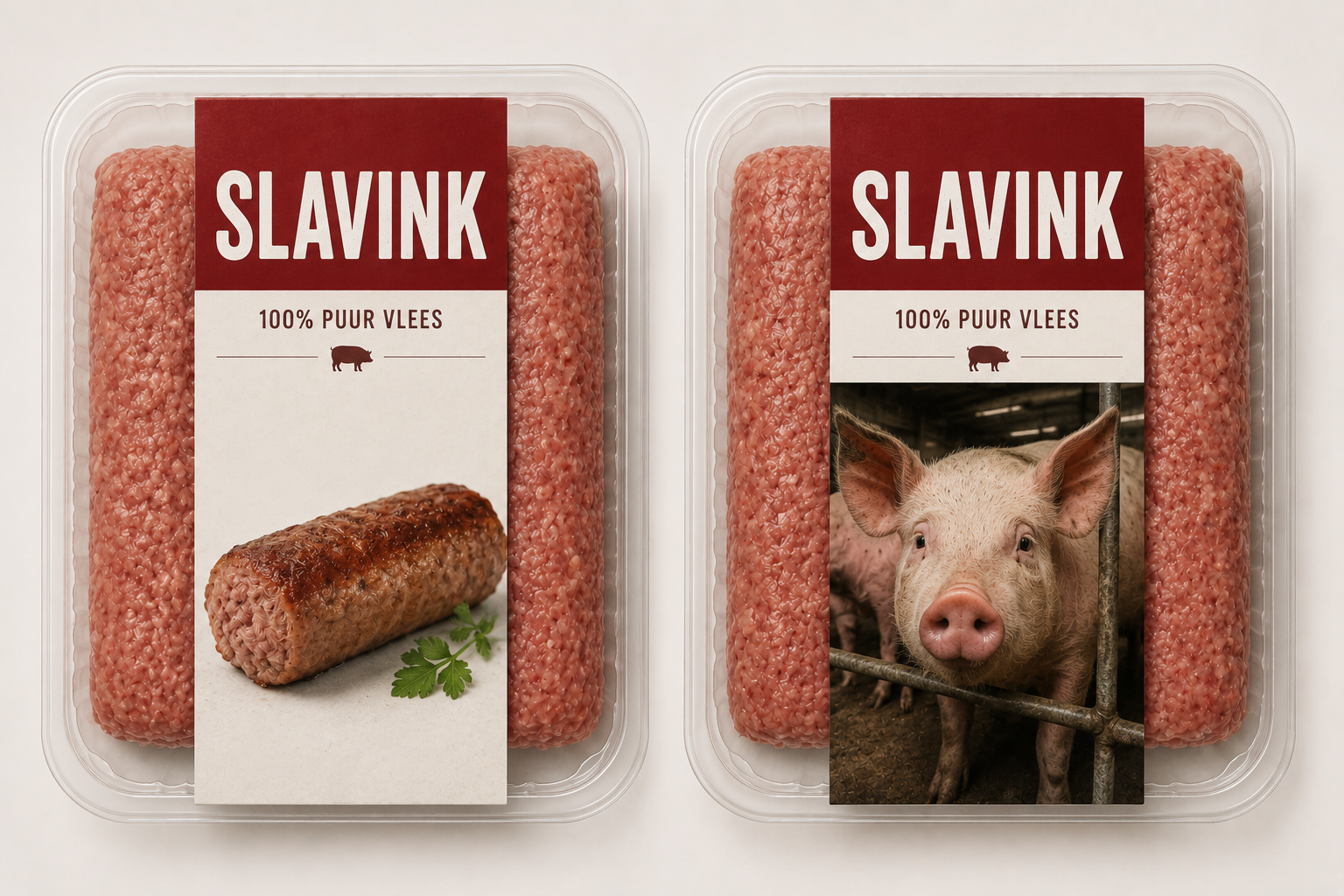
The animal industry shows us happy animals, while often keeping the reality out of sight. If there is nothing wrong with slaughterhouses and barns, why do we not see those images on packaging? Many people would reconsider their choices if they saw what really happens behind the scenes.

Taste as a reason to keep consuming animal products

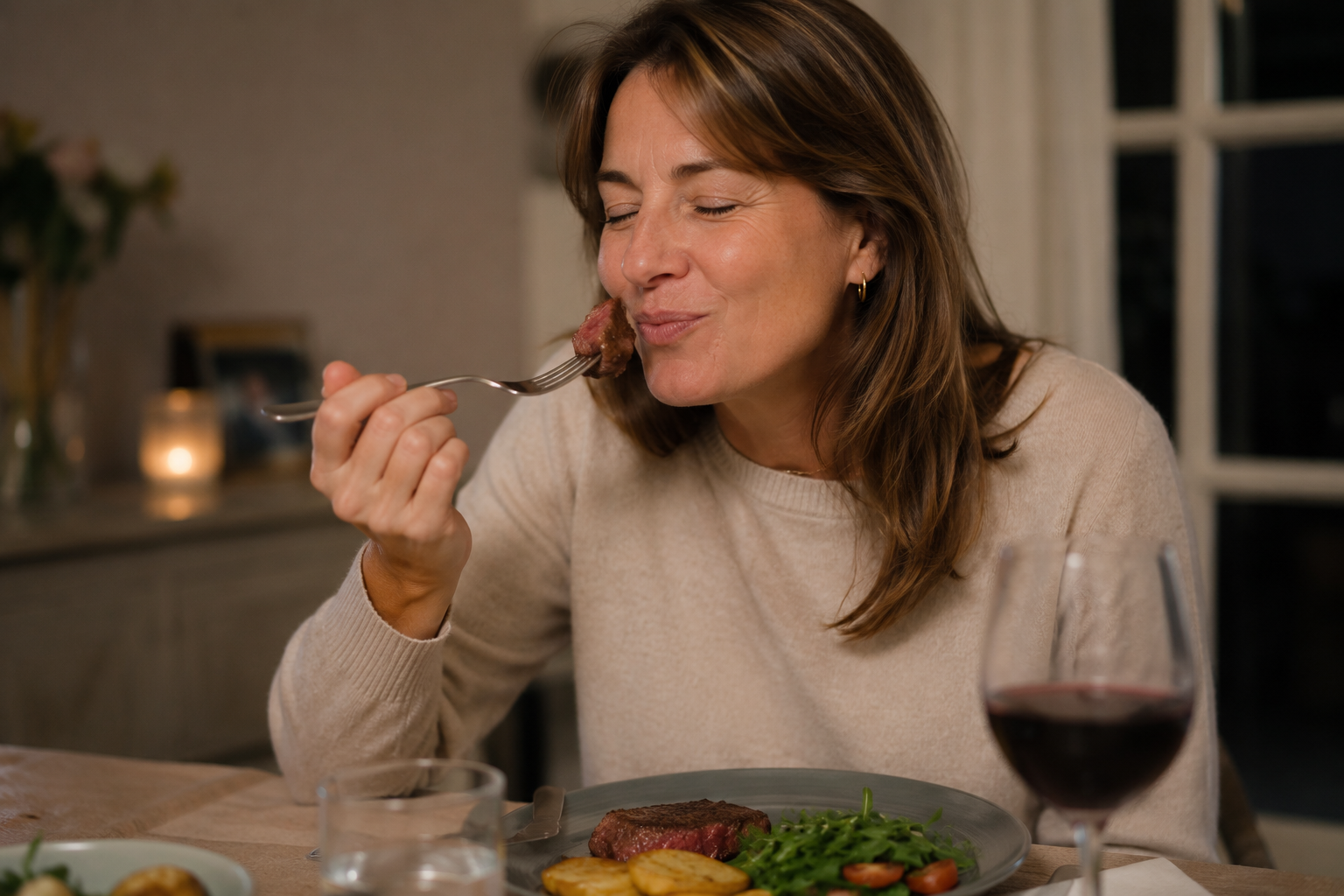
Taste

Many people enjoy the taste of animal products and grew up with them. That can make changing their diet feel difficult. But enjoying a particular taste is not, by itself, a justification for animal suffering.

Happy animals on packaging and in advertising

Happy animals

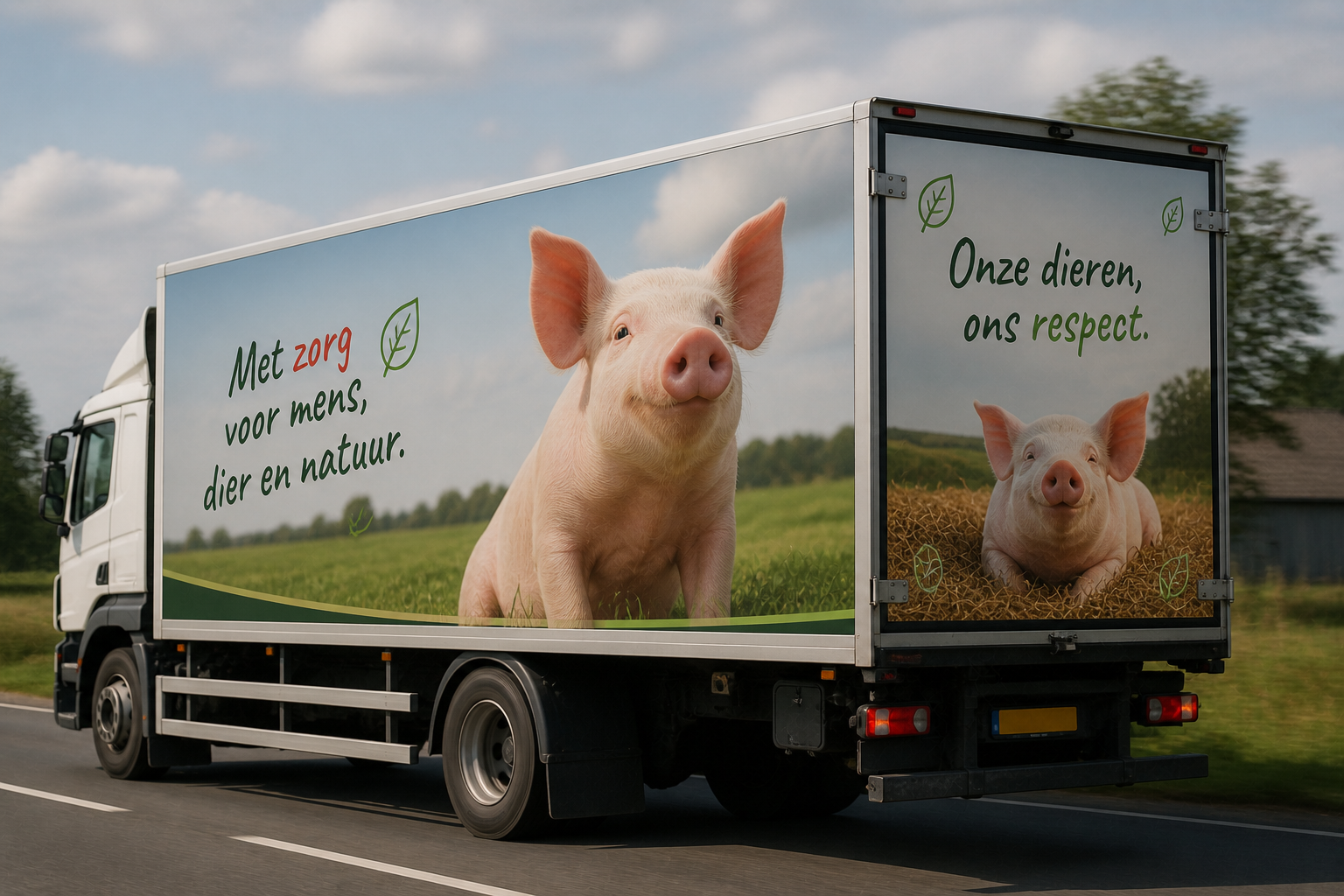
On packaging, trucks and in advertisements, we often see cheerful animals. That image does not reflect what many animals actually experience. The industry wants us to believe that these animals had a good life. The contrast with reality could hardly be greater.

Distance between consumers and the animals behind animal products

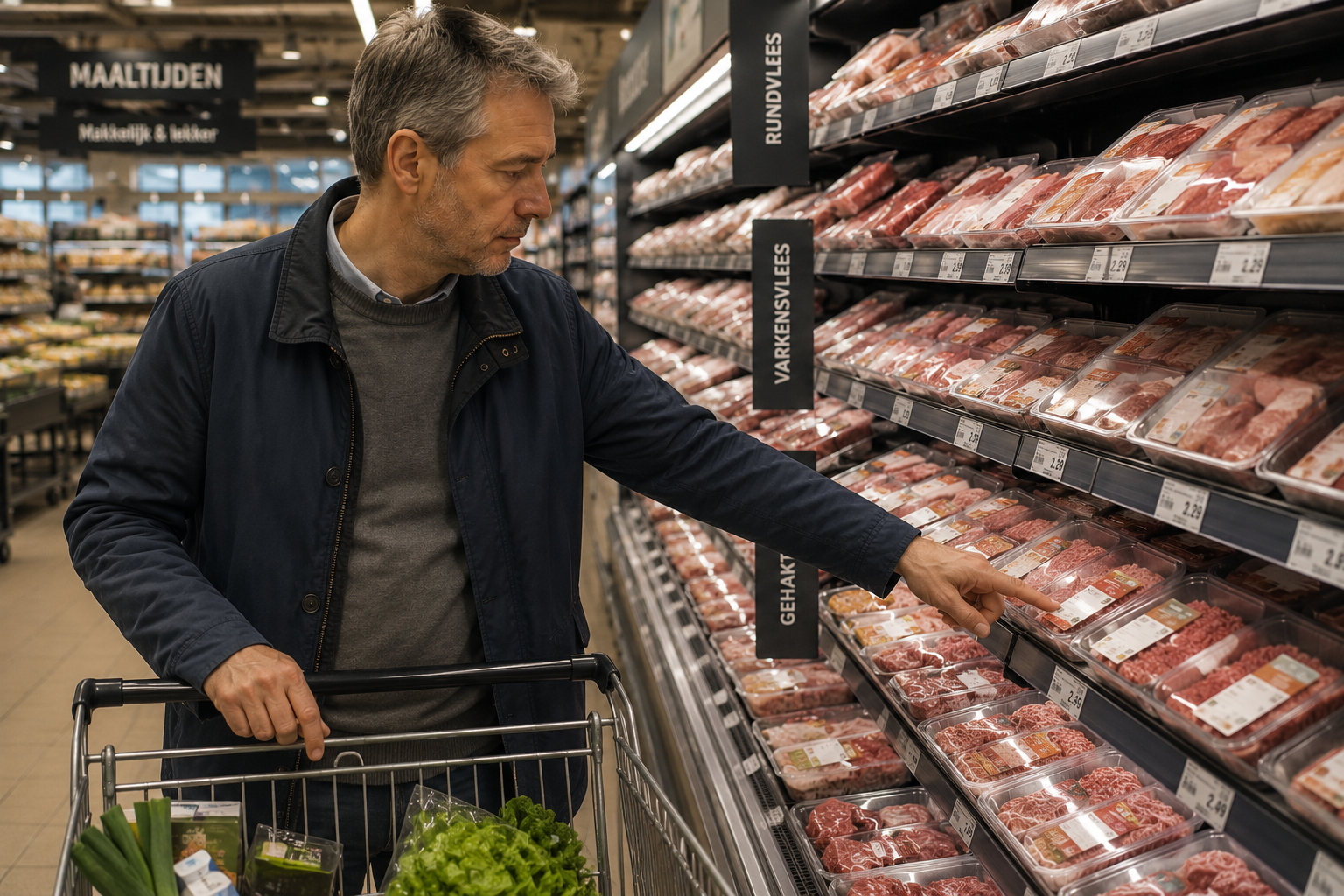
Distance from the animal

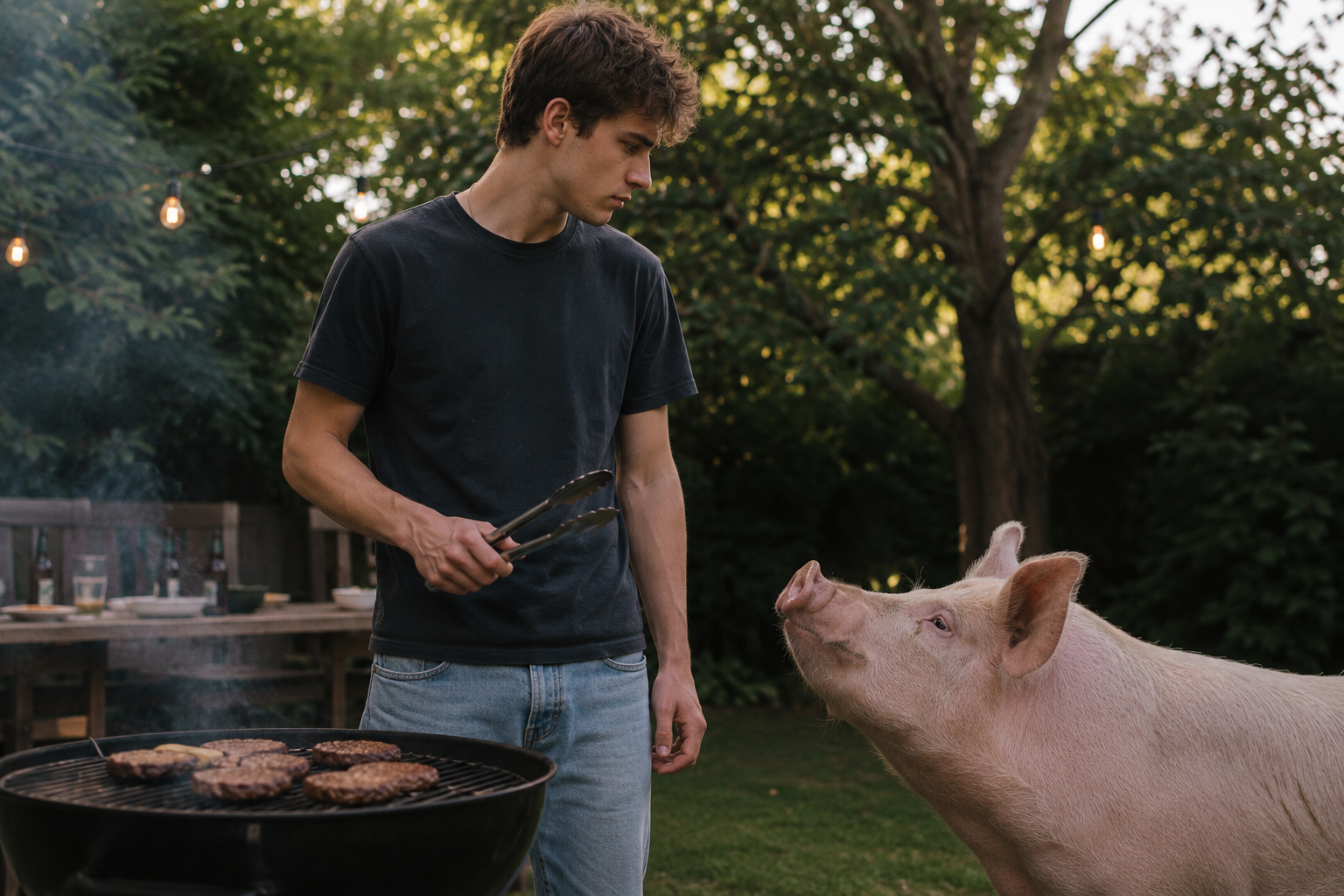
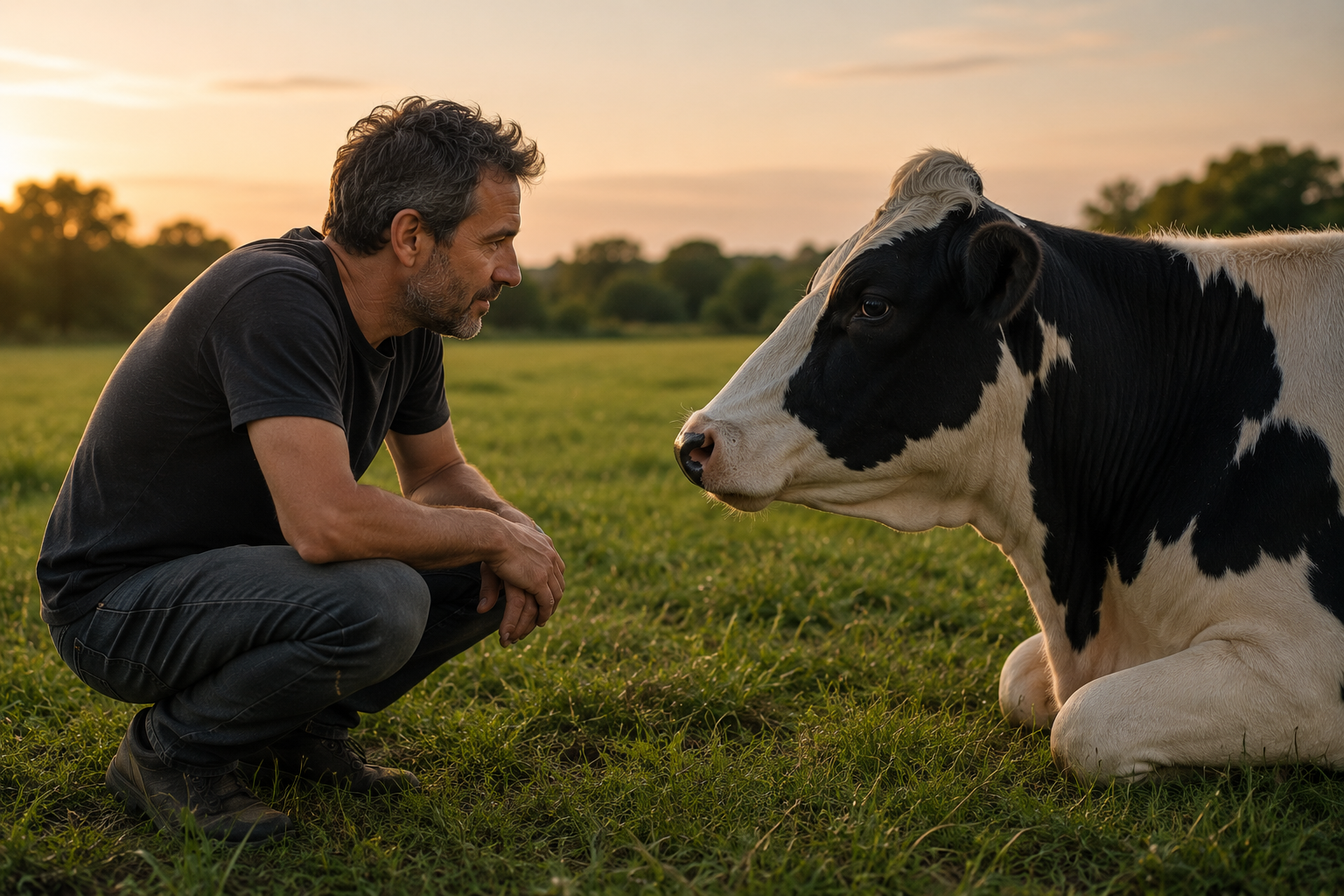
When we buy animal products, we do not have to see the animal ourselves, let alone kill them. This makes it easy to forget that a sentient individual suffered or died for meat, milk and eggs. That distance makes it easier to make choices we would probably find much harder if we had to look the animal in the eyes.

Words that create distance between animals and products

Wordplay

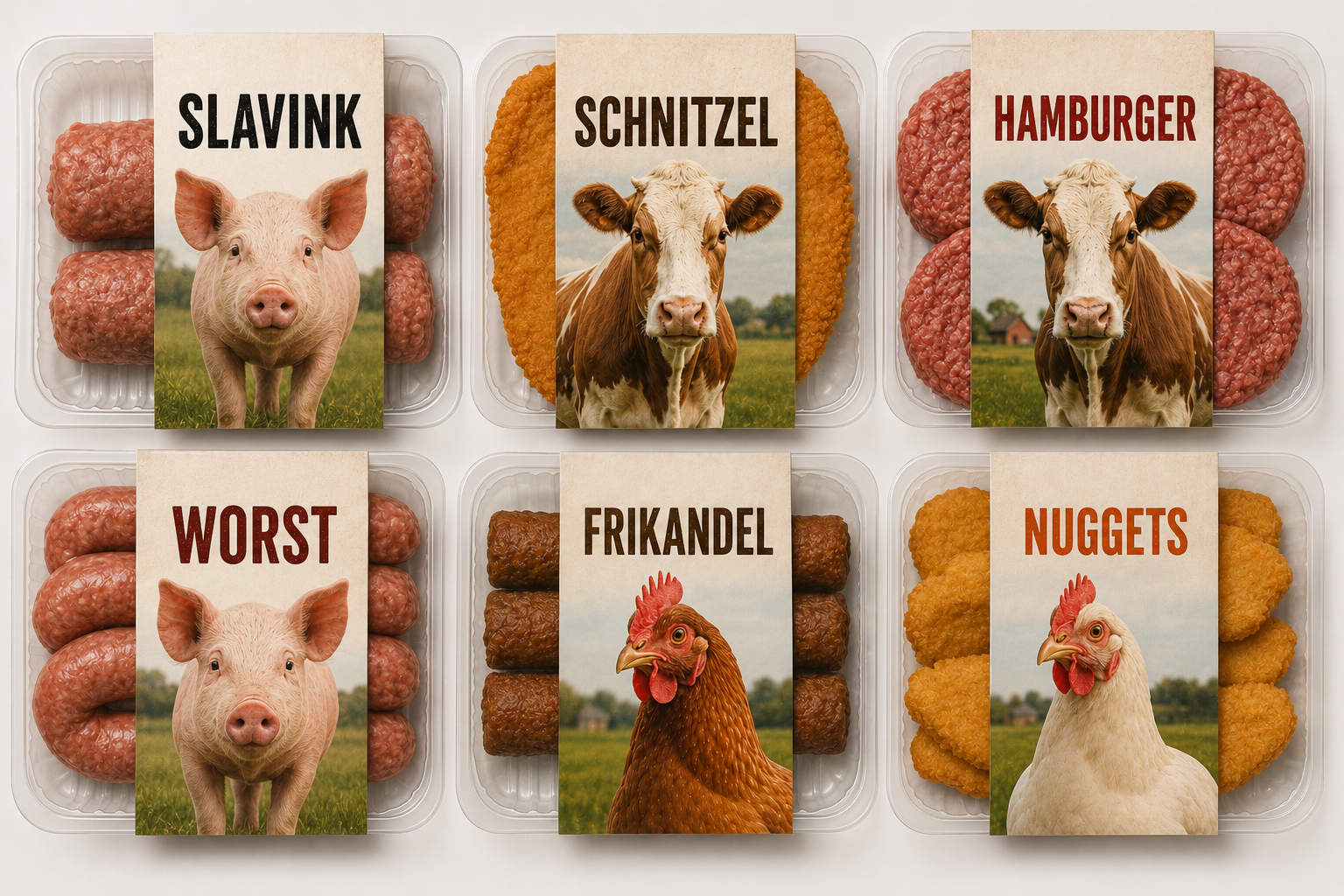
The animal industry often uses names that create distance between the animal and the product. Words such as 'schnitzel', 'burger', 'frikandel' and 'sausage' do not immediately make us think of a cow, pig or another animal. As a result, we are less likely to stop and consider that the product came from a sentient being.

Social pressure to consume animal products

Social pressure

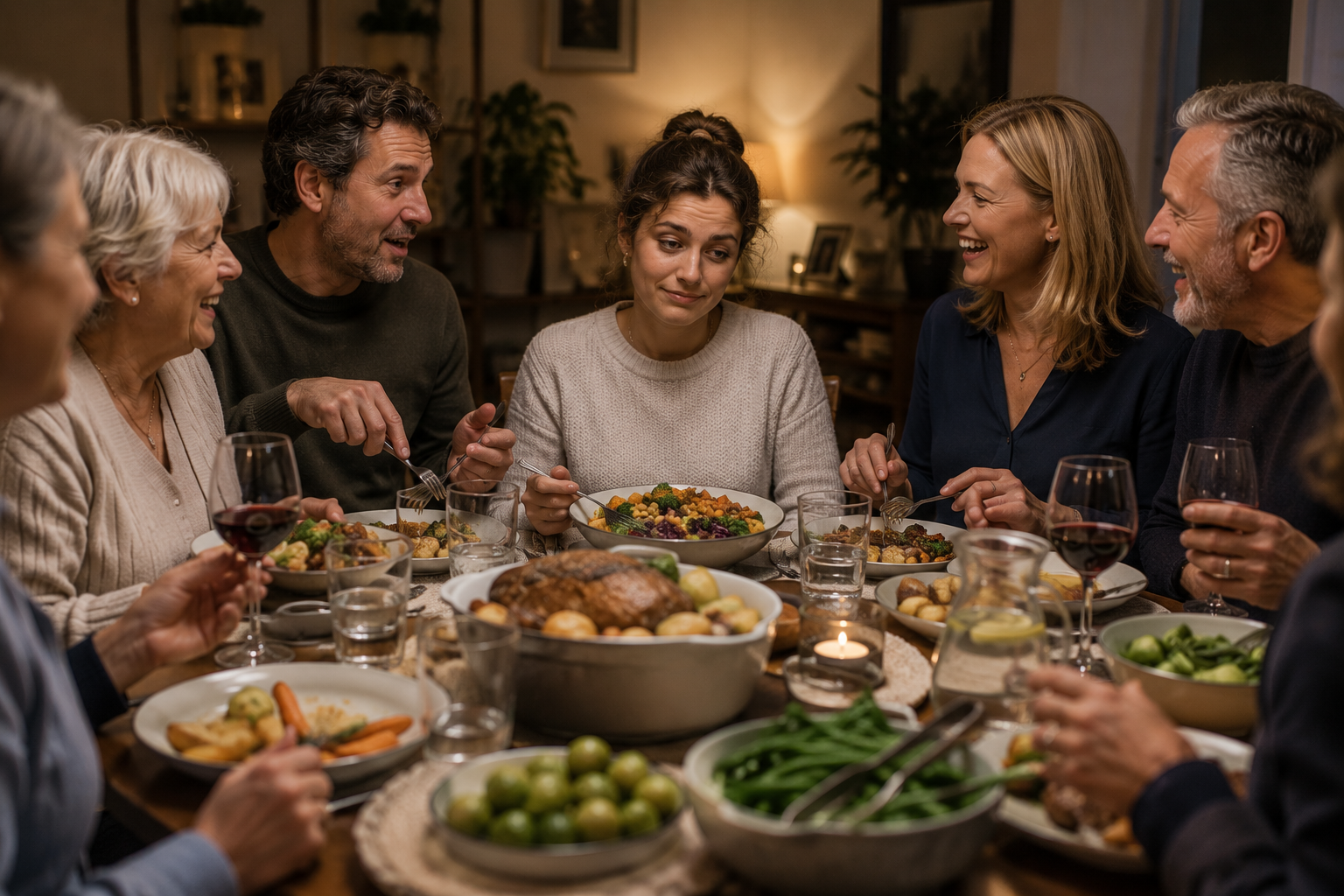
People often adopt the behaviour of those around them. If family, friends and colleagues consume animal products, it can feel normal to do the same. But the fact that many people do something does not automatically make it right.

Influence of the animal industry on politics and policy

Lobbying

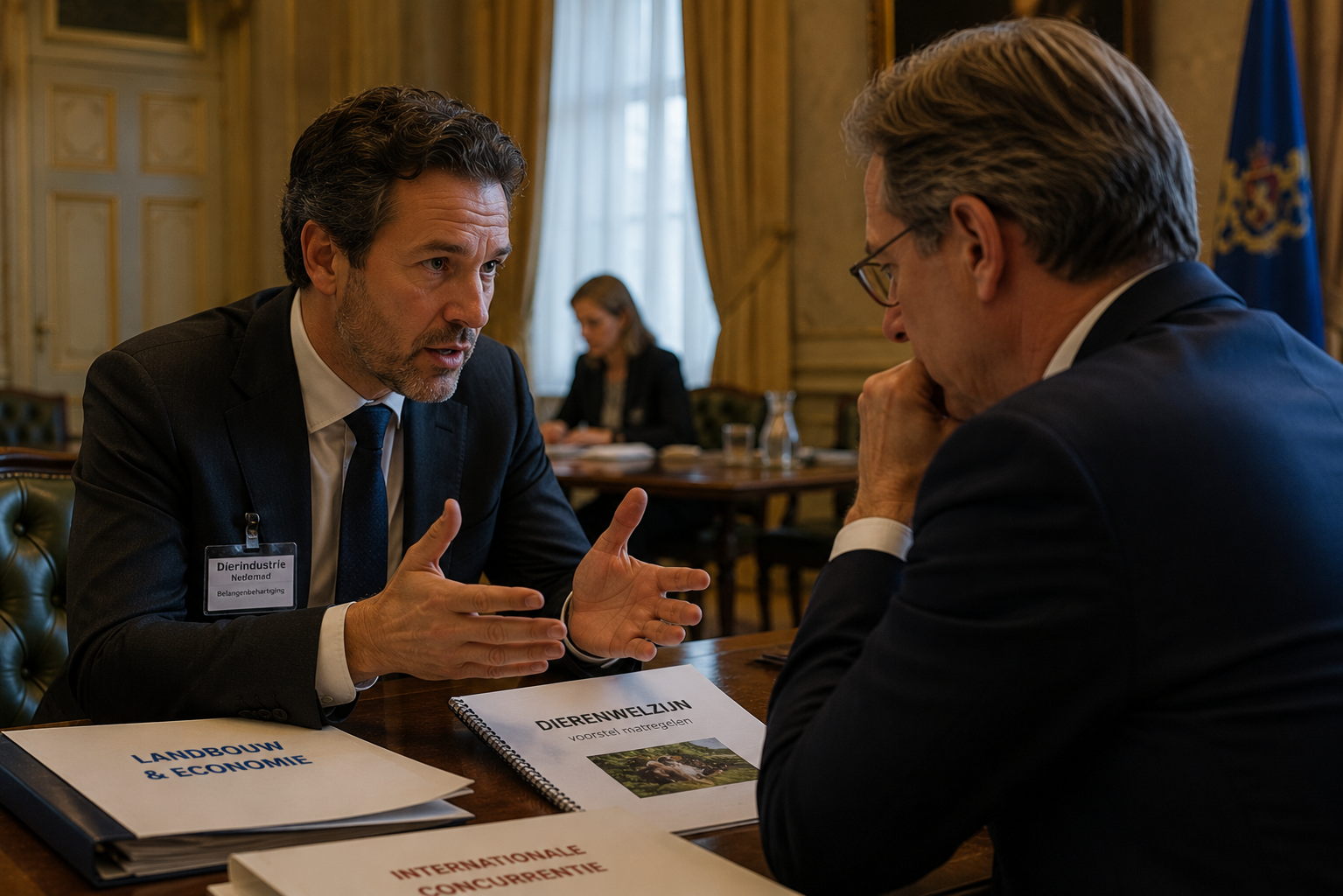
The animal industry influences politics and policy in order to protect its interests. As a result, measures that make animal products less attractive or offer animals better protection are sometimes delayed, weakened or blocked.

Upbringing and learned eating habits

Upbringing

From our parents, at school and in books, we learn that eating animal products is normal, necessary and natural. From a young age, we are wrongly taught that it is normal to love one animal and eat another.

Human superiority as a justification for using animals

Human superiority

Many people see humans as more important than other animals and therefore believe that human interests should always come first. But to an animal, their own life matters just as much as your life matters to you. If we stop placing ourselves above all other animals, it becomes harder to sacrifice their entire existence for a few minutes of taste or convenience.

Looking away because animal suffering feels too overwhelming and painful

Looking away

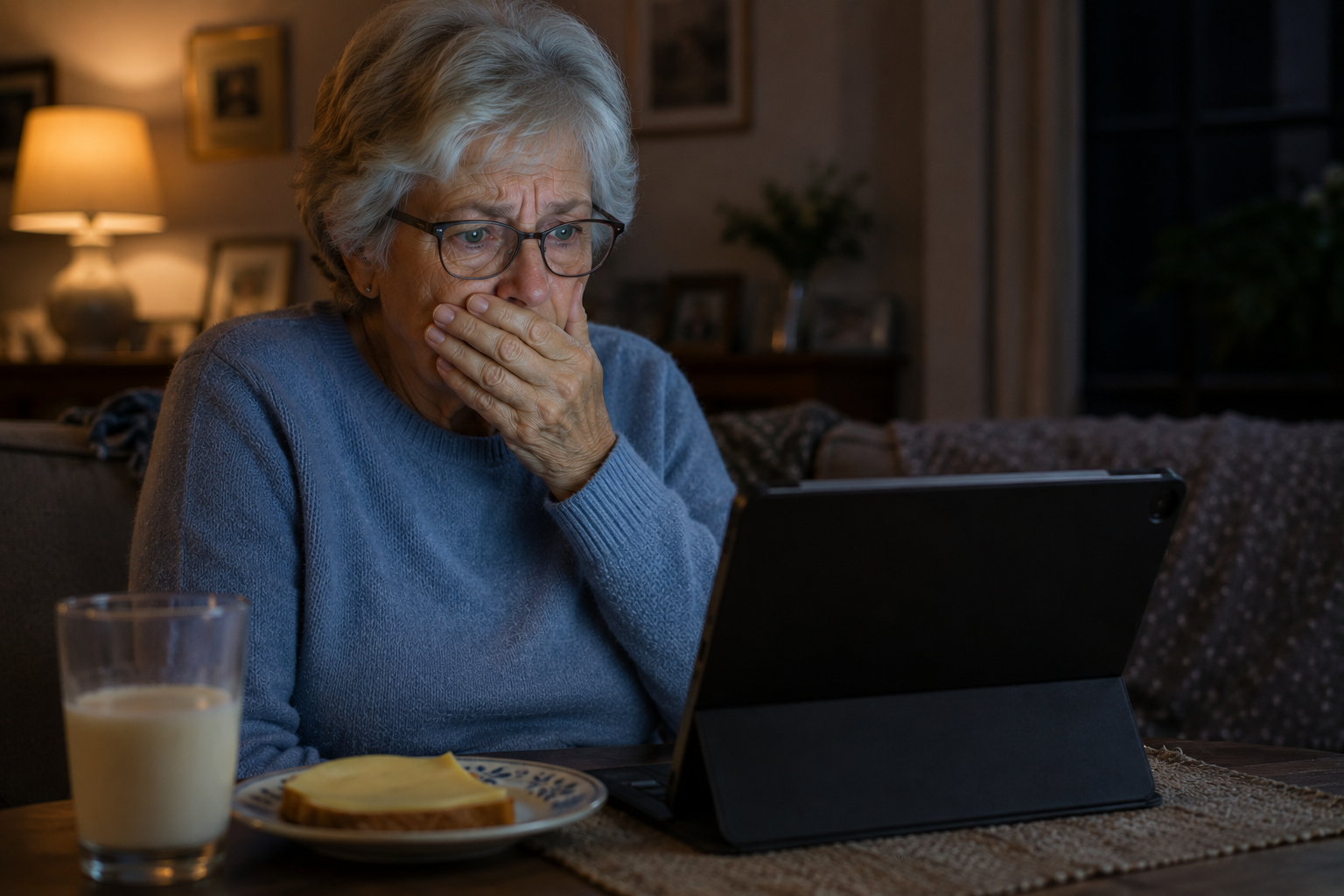
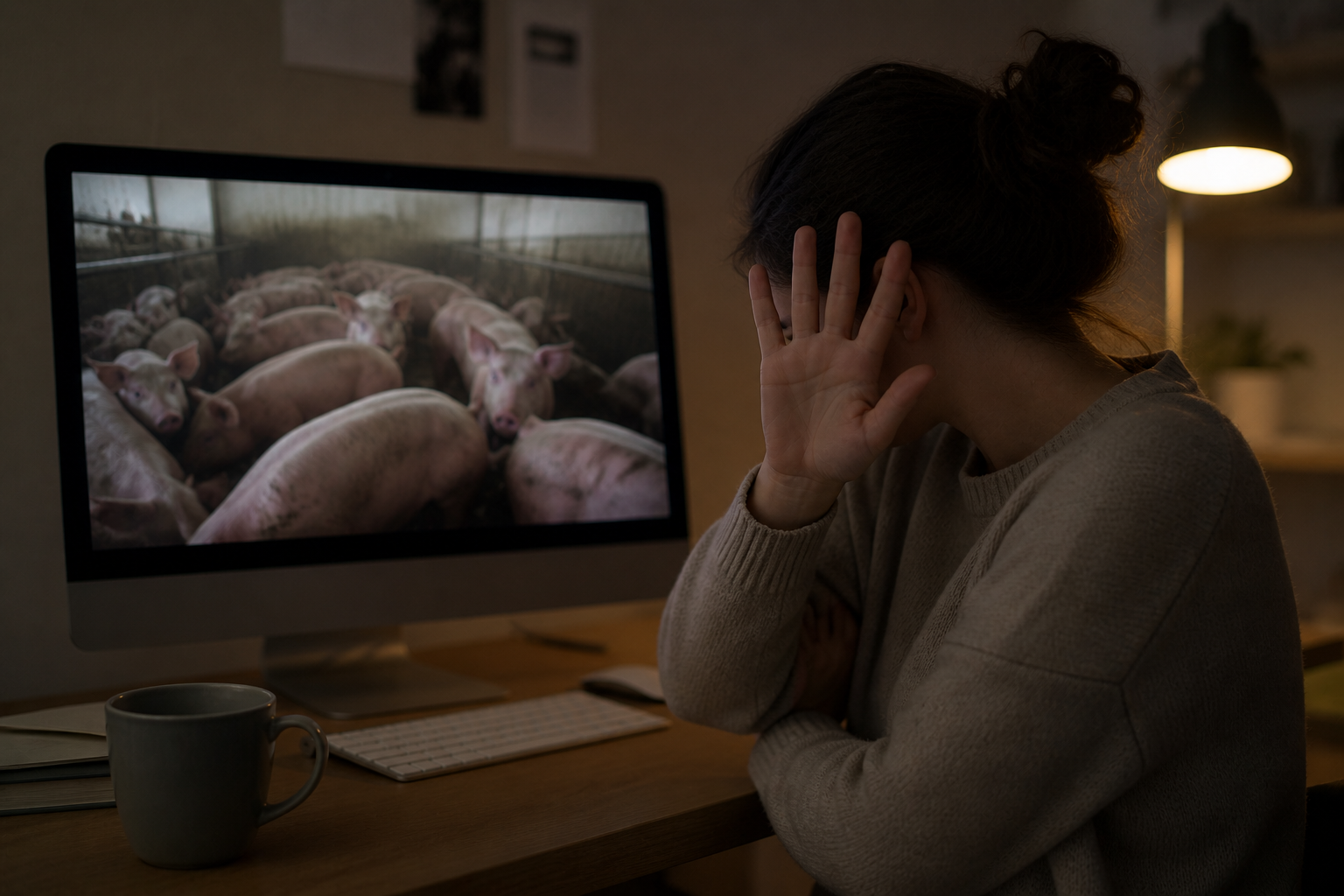
Animal suffering is so severe and takes place on such an enormous scale that it can be almost impossible to comprehend. That is why we often choose to look away. It may protect our conscience, but it changes nothing for the animals.

Cognitive dissonance around animal products

Cognitive dissonance

This is the uncomfortable feeling that arises when our beliefs do not match our behaviour. With animal products, this can happen when someone loves animals while also consuming products for which animals have suffered. To reduce that tension, people often look for ways to justify their behaviour.

It is no coincidence that it feels normal.

We are not bad people for having believed this. We grew up in a world where animal products are consistently presented in a positive light. Once you see that, you can choose again.

Recognise the influence.

Advertising, culture and habits influence us more than we often realise. Awareness is the first step.

Dare to question it.

Something can feel normal without being necessary or fair. Asking questions helps us choose more freely.

Choose again.

Once you see how you have been misled, choosing plant-based starts to make much more sense.

You can see things differently.

What we have learned, we can also re-examine. Using animals is not necessary. Another choice is possible.

Get started